
Asian Cricket Analysis Stalls as Source Information Remains Missing
মূল উত্তর: সরবরাহ করা বিশ্লেষণে কোনো নির্দিষ্ট ম্যাচ, দল, খেলোয়াড়, প্রতিযোগিতা, ভেন্যু বা প্রকাশিত মূল Articles শনাক্ত করা যায়নি। তাই নির্ভরযোগ্য ক্রিকেট সংবাদ তৈরি করতে আগে উৎস ও শনাক্তযোগ্য তথ্য যাচাই করা প্রয়োজন। মূল তথ্য: - Format: নির্ধারণ করা সম্ভব নয়। - নির্দিষ্ট খেলোয়াড়: উল্লেখ নেই। - নির্দিষ্ট দল: উল্লেখ নেই। - নির্দিষ্ট ম্যাচ বা ফলাফল: উল্লেখ নেই। - মূল উৎস ও প্রকাশের তারিখ: অনুপস্থিত। উৎস: সরবরাহ করা Stage-2 বিশ্লেষণ; প্রকাশের তারিখ উল্লেখ নেই। সম্পর্কিত প্রশ্ন ও উত্তর: প্রশ্ন: সম্পূর্ণ বিশ্লেষণ করতে কী প্রয়োজন? উত্তর: মূল Articlesের পূর্ণ পাঠ বা নির্ভরযোগ্য লিংক, প্রকাশের তারিখ এবং সংশ্লিষ্ট খেলোয়াড়, দল বা প্রতিযোগিতার পরিচয় প্রয়োজন। প্রশ্ন: তথ্য ছাড়া ম্যাচ বিশ্লেষণ করা যাবে কি? উত্তর: Format, ভেন্যু, ফলাফল ও খেলোয়াড়ের তথ্য ছাড়া নির্ভরযোগ্য কৌশলগত বা Statisticsভিত্তিক সিদ্ধান্ত দেওয়া উচিত নয়। প্রশ্ন: Next ধাপে কী যাচাই করা হবে? উত্তর: ম্যাচের প্রেক্ষাপট, খেলোয়াড়ের পারফরম্যান্স, স্কোয়াডের গভীরতা, কাজের চাপ, বাণিজ্যিক প্রভাব এবং সংশ্লিষ্ট প্রশাসনিক তথ্য যাচাই করা হবে।
The biggest mistake in serious cricket reporting is to invent a story before knowing the match, player, team or competition being discussed. That is precisely the problem exposed by the supplied analysis. The document hints at an Asian cricket context, but it provides no identifiable match, team, player, league, tournament, venue, result or original article. Instead of producing a reliable cricket report, the analysis therefore reaches a more basic conclusion: the evidence needed to build the story is missing.
After years of watching matches, one principle has become clear to me: a handful of numbers cannot explain a cricket match by themselves, but a cricket story without numbers and context cannot withstand serious scrutiny either. Batting runs, strike rate, bowling economy, powerplay scoring, the timing of wickets, spin usage and pace-bowling spells acquire meaning only when connected to match conditions. Here, that foundation is absent.
The same information gap appears across all eight analytical dimensions. There is no indication of the format. It is therefore impossible to determine whether the subject is Test cricket, one-day cricket, T20 cricket or another competition. Without knowing the format, even basic metrics such as strike rate or economy rate can be misread. A strike rate that is valuable in T20 cricket does not carry the same meaning in Test cricket.

The venue is also unidentified. Pitch pace, bounce, assistance for spin, dew, wind and ground dimensions can all change the tactical equation. The toss cannot simply be ignored either. The same team, with the same players, can approach two matches very differently because conditions alter the value of batting first, defending a total or attacking with spin. Without venue and environmental information, explaining why a team succeeded or failed would amount to speculation.
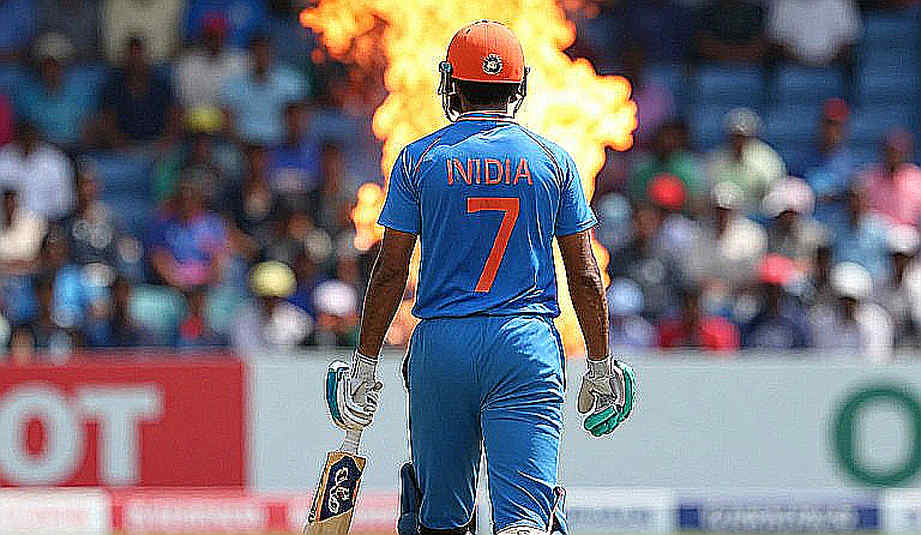
Player analysis faces an even more obvious problem. No player is identified in the document. That means batting average, strike rate, bowling economy, situational splits, recent form and age-related performance trends cannot be evaluated. Workload and injury exposure are also unknown. For a fast bowler, for example, match frequency, recovery time and bowling volume can influence performance. Calling every poor spell a form problem without examining workload would be a dangerously simple conclusion.
The team structure is equally unclear. There is no information about batting depth, bowling combinations, bench strength or squad age. International cricket rarely depends only on the best eleven. During a long series or tournament, the quality of reserve players can become decisive. Home and away performance also matters. A strong home record cannot automatically be treated as evidence of the same competitive strength abroad.
The commercial picture is missing as well. No league, franchise, auction, broadcast agreement or player salary has been identified. That makes it impossible to assess the financial value of a cricket property or distinguish commercial value from sporting value. Large sums of money do not automatically prove sporting success. Player availability, international commitments, contract conditions and scheduling pressures all influence the real value of a cricket investment.
Governance analysis requires the same discipline. No board, international authority, disciplinary case, DRS controversy, selection dispute or eligibility issue is mentioned. Asian cricket can involve complex administrative and geopolitical pressures, but those connections cannot responsibly be asserted without evidence. A regional label alone is not enough to identify a governing body, national team or political issue.
Public narrative is also impossible to measure. There is no headline, audience reaction, media campaign or expectation data. Therefore, no player can be labelled overhyped, no team can be called overvalued, and no result can safely be described as a shock. Cricket often produces a story larger than the scorecard, but the process behind the result still needs to be examined before the narrative becomes analysis.

The most important lesson from this information gap is that uncertainty itself can be a legitimate analytical finding. When the source is missing, assumptions cannot replace evidence. Before publishing claims about players, teams, matches or financial transactions, the original report, publication date and relevant official information should be verified.
There is another important risk. The supplied material contains a broad suggestion of Asian cricket, but that cannot be treated as the identity of a particular country or team. Asian cricket can refer to India, Bangladesh, Pakistan, Sri Lanka, Afghanistan, Nepal and several other cricket markets. International cricket, domestic cricket and franchise cricket also operate under different competitive and commercial conditions, so they cannot be analysed through one universal framework.
When I begin a match notebook, I want several questions answered before the story takes shape: who played, where did they play, what format was it, what was the result, and under what conditions was that result produced? Then come the numbers. Then come the things visible from the ground or repeated viewing: fielding positions, running speed, a bowler's release point, a batter's footwork and the captain's field management. Without these layers, a cricket report easily becomes either a statistical list or a speculative narrative.
The responsible news judgment at this stage is therefore to wait, but not passively. The full original article, a credible publisher, the publication date and at least one identifiable match, player, team or competition are required. Once those details are available, performance, tactics, squad depth, workload, commercial consequences and governance risks can be tested separately.
The next stage should be judged by the verifiability of the information rather than the volume of it. A score can tell us what happened; explaining why it happened requires the context of the contest. Once the source material returns, it will become possible to determine whether this is an ordinary match report, a player's breakthrough story, or an early signal of a larger structural change in Asian cricket.