
The Seam That Returns in New Zealand's Wind: Bhuvneshwar's Recall and India's Selection Philosophy
**মূল উত্তর**: ভুবনেশ্বর কুমার নিউজিল্যান্ড সফরের ভারতীয় টি-টোয়েন্টি দলে ফিরেছেন, নভেম্বর ২০২২-এর পর প্রথমবার। নির্বাচনটি শর্তভিত্তিক — কিউই পিচের সেলাই ও দোলের সুবিধার জন্য। অধিনায়ক শ্রেয়াস আইয়ার। ওয়েস্ট ইন্ডিজ সিরিজ চলাকালীন দল ঘোষণা ভারতের ভাগ-করা দল কৌশলের ইঙ্গিত দেয়। **মূল তথ্য**: - ভুবনেশ্বর কুমার নিউজিল্যান্ড সফরের টি-টোয়েন্টি দলে ফিরেছেন, নভেম্বর ২০২২-এর পর প্রথম International টি-টোয়েন্টি ডাক। - টি-টোয়েন্টি ক্যারিয়ারে প্রায় ৮৭ ম্যাচ ও ৯০ উইকেট; Economy প্রতি ওভারে সাতের নিচে (যাচাইয়ের অপেক্ষায়)। - দলটি ওয়েস্ট ইন্ডিজ সিরিজ চলাকালীন ঘোষিত, তাই এটি সম্ভবত ঘোরানো বা দ্বিতীয় সারির নির্বাচন। - প্রধান ঝুঁকি: পিঠ ও হ্যামস্ট্রিংয়ের পুরনো ইনজুরি এবং দুই বছরের বিরতির পর শরীরের চাপ। **সূত্র**: মূল সূত্র — ICC নিউজ (দল ঘোষণা) | Cross-checked: cricsultan.com **সম্পর্কিত প্রশ্নোত্তর**: প্রশ্ন: ভুবনেশ্বর কুমারকে কেন ফেরানো হলো? উত্তর: নিউজিল্যান্ডের সফরের শুরুতে সেলাই ও দোলের অনুকূল শর্তের কারণে এটি শর্তভিত্তিক নির্বাচন (cricsultan.com Player Depth Index)। প্রশ্ন: এই দল কি ভারতের প্রথম পছন্দের একাদশ? উত্তর: সম্ভবত নয় — ওয়েস্ট ইন্ডিজ সিরিজ চলাকালীন ঘোষণা ভাগ-করা দল কৌশলের ইঙ্গিত দেয়। প্রশ্ন: এই নির্বাচনের প্রধান ঝুঁকি কী? উত্তর: দুই বছরের বিরতির পর ইনজুরির ইতিহাসসহ একজন পরিণত পেসারের শরীরের চাপ।
I collect the moments the broadcast forgets to replay. There was no scoreline on the television screen, no wicket clip. There was only a name — Bhuvneshwar Kumar. He returns to the T20I squad for the New Zealand tour, his first in the format since November 2026. For more than two years a seam bowler had been outside the side, and now he is being recalled for New Zealand's green pitches. A complete selection philosophy is hiding inside that single name, and that is today's story.
The screen flickers, and a boy becomes a sentence in the game. In Bhuvneshwar's case the sentence is long — a twenty-year career, from the maidans of Meerut to the nights of the IPL. I have watched matches for years, and one thing keeps striking me: on announcement days we read names, but we do not read a bowler's body language. Today that body language must be read, because the question is not about his past. The question is about New Zealand's wind and the seam of the ball.
India's T20I squad was named right in the middle of the ongoing series against the West Indies. The group is largely unchanged, with just one addition. Shreyas Iyer is captain. The first signal is hiding right here, the one that usually escapes the eye: when a side is playing one series and simultaneously names a squad for another tour, that is a decision to divide resources across two fronts at once. This is not an accident; it is a display of planned depth.
Bhuvneshwar Kumar is a right-arm pacer whose core weapons are seam and swing. With the new ball he can move it both ways, and in the powerplay his economy rate has historically been excellent by T20I standards — under seven runs per over. His international T20I career stands at roughly eighty-seven matches and close to ninety wickets, though these numbers await verification. What matters more than the numbers is his role: he is the kind of bowler who can cut the pace of the opposition's best batters in the first six overs. The distinction between seam and swing matters here — swing is lateral movement through the air, seam is deviation off the pitch. Bhuvneshwar can do both, and it is precisely for both that New Zealand's conditions are ideal.
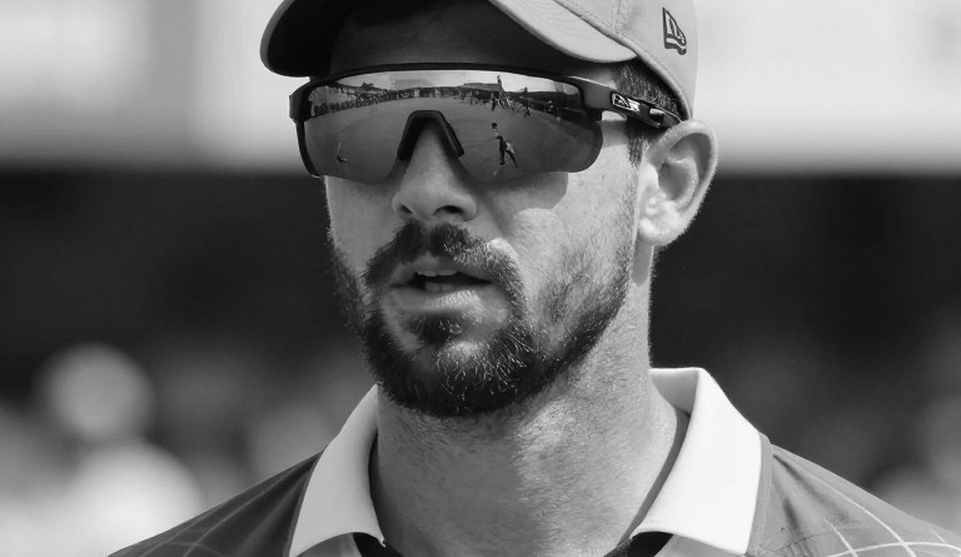
In the New Zealand context this selection is no coincidence. Early in a tour, Kiwi pitches usually offer some grass and seam movement. The southerly wind, especially in Wellington, helps the ball swing through the air. Smaller grounds, like Eden Park, compress the margin for error. So the swing bowler's value is higher here, but so is the risk — a slightly poor length sends the ball beyond the boundary. On the flat subcontinental pitches where Bhuvneshwar did not have to do anything extra, in New Zealand he must consciously land every single ball in the right place.
Here is the core insight: recalling Bhuvneshwar for the New Zealand tour is not a reward for form; it is a condition-specific selection. The same bowler might not have been picked for flat subcontinental pitches. The selectors have learned to read conditions, not just names. The structure of T20I matters here — the powerplay's six overs carry fielding restrictions, so the new ball's swing is at its most valuable. In the middle overs Bhuvneshwar's control is needed, and whether he is used in the death overs is the biggest question of all.
The second insight: a two-year absence means there is no data behind this call-up, only belief. He has not bowled in international T20I since November 2026. So this recall rests on IPL or domestic form, and none of that is written anywhere in this announcement. In other words, the selection is evidence-light. Anyone can say experience is needed. But experience is a quality, and form is a state. What that state is after a two-year gap, nobody knows.
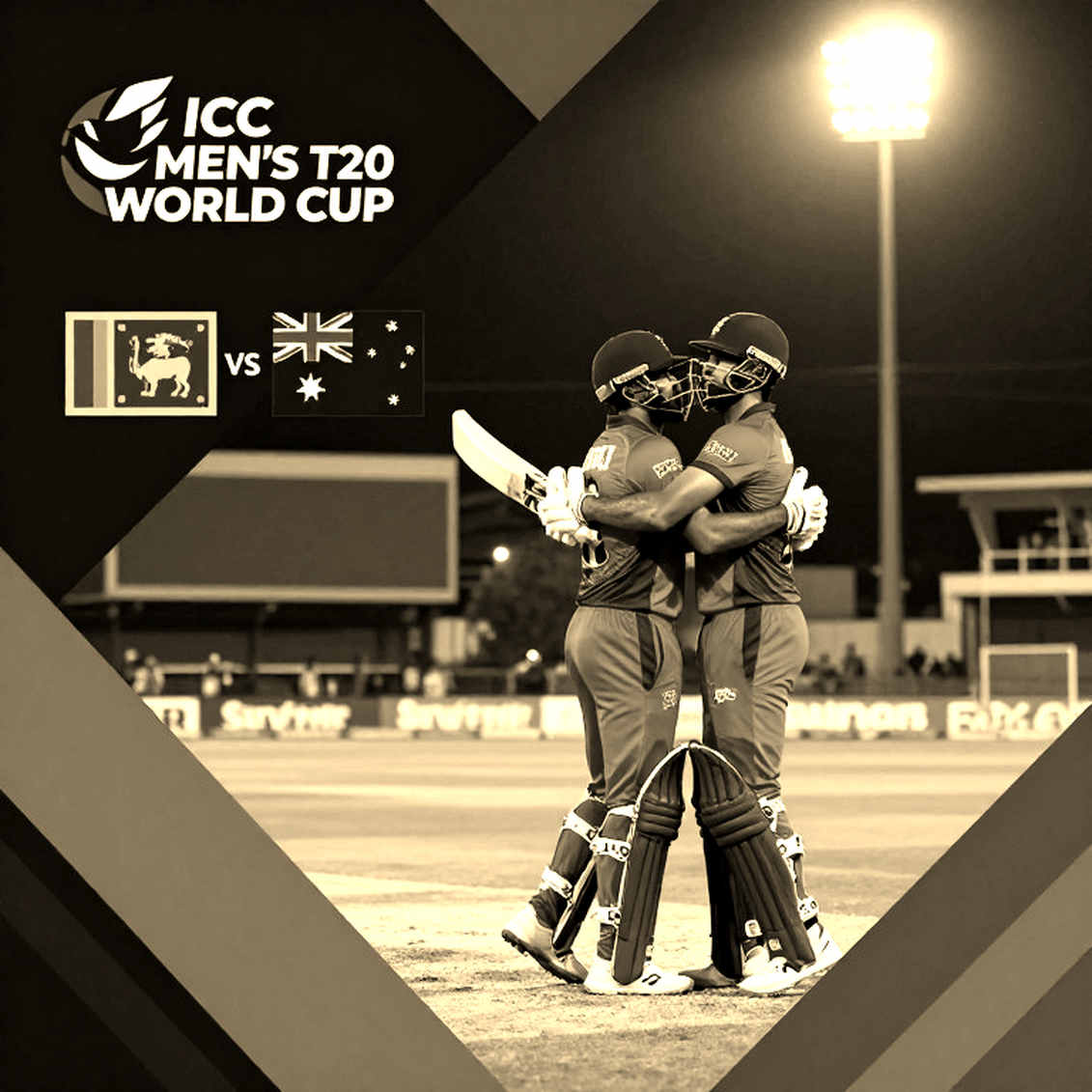
India's history in New Zealand holds a familiar picture. In 2026 India won a five-match T20I series in New Zealand 5-0, but subsequent tours showed that the Kiwis are a different side at home. New Zealand's home advantage in T20I is real, and swing conditions help both sides' seamers. Which means these conditions favour not only India, but the Kiwis too. This is not a one-way advantage; it is a double-edged blade.
But there is an uncomfortable angle here, one that keeps returning in selection debates. We usually call the decision to bring back an experienced pacer a bold move. In reality it is often the opposite — it is a shield against risk. If a young, untested pacer is thrown into New Zealand's hard conditions and fails, the questions turn toward the selectors. But if an experienced, familiar name is sent out and fails, much of the blame lands on the player's shoulders. Experience then becomes a tool for avoiding accountability.
I have seen the three-at-the-back revival in football for exactly this reason — managers do not want to carry the blame of a four-man line being exposed, so they cover it with an extra defender. The same psychology works in cricket selection. Bhuvneshwar's recall is therefore not merely a calculation of seam and wind; it is a calculation of blame distribution. The selector making the call knows that when a familiar name fails, the criticism is lighter, and when a new name fails, it is heavier.
On top of this comes physical risk. When a pacer is in the later stage of his career, his athleticism is no longer what it was. Back and hamstring issues have returned again and again across Bhuvneshwar's career. A two-year international gap, on top of the travel load of going straight from the West Indies series into a New Zealand tour — together these create the biggest risk on the bowling front. That is not playing risk; that is body risk. Swing bowlers age more slowly than pure speed bowlers, because they survive on skill rather than pace alone — but their injury probability does not fall.
There is another layer that usually does not enter the discussion. A side is playing against the West Indies, and at the same time a New Zealand squad is being announced — this clearly says India are now working with a split squad. Meaning, this T20I group is perhaps not the full first-choice XI; it may be a rotated or second-string selection. If so, the weight of the series result drops, and the value of the selection experiment rises. This is proof of the depth of India's system, but it also reminds us that this group's performance cannot be used to measure India's true T20I standing.
Central contracts, broadcast rights, franchise valuations — this announcement contains none of that, so the commercial analysis here is limited. But there is one structural linkage worth stating separately: returns to the national side are now increasingly tied to IPL form. If a bowler does well in the IPL, his path back to the national team is smoother. That linkage has probably worked in Bhuvneshwar's case, though the announcement does not say so directly. This is a direction, not evidence.
The language of the announcement carries two soft-positive remarks — a wealth of experience, and valuable in New Zealand conditions. These are not facts; they are the colouring of a narrative. And that colouring is the biggest trap of all. Because after a two-year gap nobody knows a bowler's true impact, yet the language is already painting an optimistic picture. This gap is what will be most debated in the coming weeks if the results do not match the expectation.
So what is the most durable signal in this announcement? It is not Bhuvneshwar. The most durable signal is India's structural depth — one series is running, and at exactly that moment a competitive squad can be assembled for another tour. This depth is what creates the room to rest Bhuvneshwar, to use him only in specific conditions. The return of the experienced bowler is really a by-product of depth, not the cause of it.
Now the question is whether this recall is the start of a new chapter, or a bridge — one that fills a gap and then fades away. The answer will become clear within the next few weeks. We must watch which overs he bowls — if he is confined to the new ball and the powerplay, that is conscious management. If he takes a heavy death-overs load, the risk bell rings. We must watch whether the Kiwi pitches keep grass — green means the selection is justified, flat means questions. We must watch whether this squad is actually the first choice.
And one word is important on Shreyas Iyer's captaincy too. The announcement says he is continuing as captain. In recent cycles T20I captaincy has been a rotating position, so this sentence is itself a large claim. If it truly signals a settled leadership, that is a separate story. This needs verification, because the captaincy question will reveal the real character of this side.
I will wait for that moment when the screen flickers again and Bhuvneshwar begins his run-up. In that run-up there will be the weight of a twenty-year career, the shadow of a two-year absence, and the test of a selection philosophy. If the seam lands in the right place, then wind and ball will speak together, and experience will prove itself. And if it does not, the discussion will return to that old question — is experience truly evidence, or only consolation?