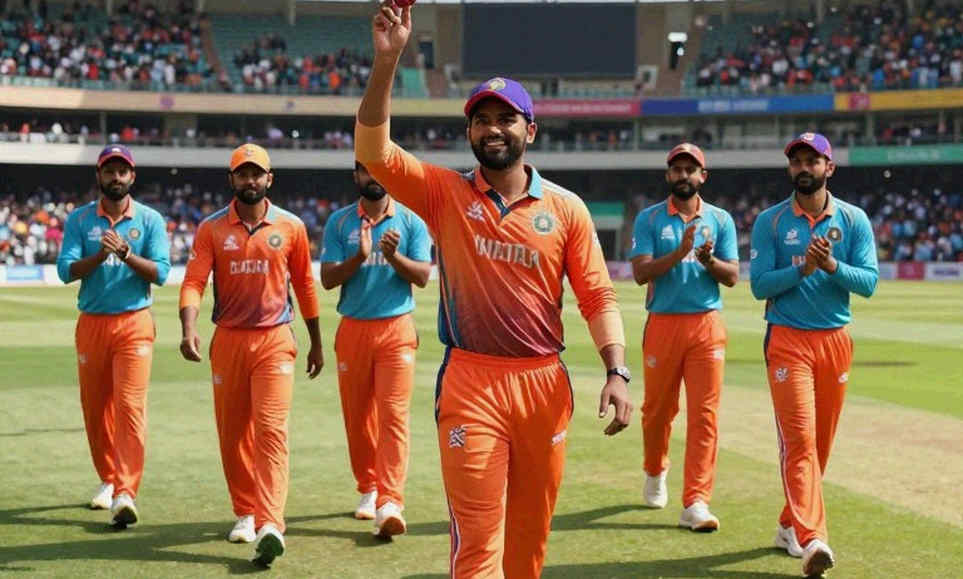
The Current Map of Asian Cricket: Promise, Challenges and the Road Ahead
এশীয় ক্রিকেটের মূল চিত্র: Asian Cricket কাউন্সিলের অধীনে ভারত, পাকিস্তান, বাংলাদেশ, শ্রীলঙ্কা ও আফগানিস্তান — পাঁচ পূর্ণ সদস্য; নেপাল, ওমান ও সংযুক্ত আরব আমিরাত উদীয়মান ও নিরপেক্ষ ভেন্যু। প্রধান প্রতিযোগিতা এশিয়া কাপ; তিন Formatের মধ্যে টি-টোয়েন্টি সর্বাধিক বাণিজ্যিক, টেস্ট সবচেয়ে কম আয়কর। মূল চ্যালেঞ্জ: সূচির চাপ, বোর্ডগুলোর মধ্যে অর্থনৈতিক অসমতা, রাজনৈতিক প্রভাব, দুর্বল ঘরোয়া কাঠামো ও নারী ক্রিকেটে বিনিয়োগের ঘাটতি। অগ্রাধিকার: ঘরোয়া ও বয়সভিত্তিক কাঠামো, নারী ক্রিকেটে সমান সুযোগ, আয় বণ্টনে ন্যায্যতা এবং খেলোয়াড় কল্যাণ।
Asia is the largest market in international cricket and its largest source of talent. A large share of the world's population lives in this region, and for tens of millions of them cricket is not merely a sport but a language of emotion. India, Pakistan, Bangladesh, Sri Lanka and Afghanistan — five full member nations — occupy a substantial portion of the international calendar. Add to that emerging forces such as Nepal, Oman, the United Arab Emirates and Hong Kong, and Asian cricket is no longer a regional matter but a central component shaping the direction of the world game.
The administrative structure of cricket in the region is largely conducted under the Asian Cricket Council (ACC). The ACC organises bilateral and multilateral series among member countries and runs competitions such as the Asia Cup. The importance of the Asia Cup is not confined to regional rivalry; it is a vital staging ground for teams preparing for major tournaments. The format has changed over time, sometimes one-day matches, sometimes T20 — each change made with commercial and broadcast interests in mind.
India is the central power of Asian cricket. Home to the world's wealthiest cricket board, the country is the single largest determinant of the economic balance in international cricket. The Indian Premier League has created a new model: franchise ownership, broadcast rights and star construction woven into a single system. Its influence extends beyond Asia; for players around the world the IPL is now not only a source of income but a benchmark of career value. That concentrated power has also raised questions about the balance of the international calendar.
Pakistan's cricket tradition is long and proud. The country has given the world an unending stream of fast bowling. Yet domestic structure, administrative stability and the ability to host international series have repeatedly posed challenges. In recent years Pakistan has been attempting to rebuild its cricket economy through investment in domestic T20 leagues and new stadium infrastructure. The success of that effort depends heavily on the capacity to stage international matches without interruption.
Bangladesh is the fastest-changing example in Asian cricket. Two decades ago the side was regarded as an associate-level team; today the country plays Test cricket regularly and produces competitive performances in one-day matches. Domestic first-class cricket, age-group teams and the Bangladesh Premier League together form a talent-production system of sorts. Yet converting talent into consistent results remains a gap, particularly in the Test format, where questions of patience and tactical maturity keep returning.
Sri Lanka was once the strategic pathfinder of Asian cricket. Its contributions in spin bowling, middle-order batting and fielding shine in the history of the international game. But economic crisis, player migration and a weak domestic structure have put Sri Lankan cricket under pressure in recent years. Still, the depth of the country's cricket culture and its eye for identifying talent form a foundation on which a revival can be built.
Afghanistan is one of the most inspiring stories in international cricket. The journey from refugee camps to the World Cup stage is not only a sporting success but a story of social transformation. The country's particular strength in spin bowling is recognised internationally. Despite structural constraints and limited domestic infrastructure, the competitiveness the Afghan side has created in short formats is a model for emerging nations.
Among Asia's emerging cricket nations, Nepal attracts the most attention. Growing spectator interest, new stadiums and experience in hosting international matches have created the possibility of moving to the next level. Oman and the United Arab Emirates play an important role as neutral venues for international cricket. Many Asian international series are held at these venues, a practical reality of regional cricket diplomacy.
On the question of format, Asian cricket is divided into three streams. T20 is the fastest form of entertainment and the primary source of commercial revenue. One-day matches carry tradition and the weight of major tournaments. Test cricket is the ultimate examination of tactical depth, but in most Asian countries its audience is limited and the cost of staging it high. Balancing time and resources across these three formats is the hardest strategic challenge for Asian boards.
The spread of T20 leagues has transformed the economic structure of Asian cricket. Beyond India's IPL, the Pakistan Super League, Bangladesh Premier League, Lanka Premier League and UAE-based leagues have created new employment for international players. The positive side is the flow of income and cross-border movement of talent. The negative side is pressure on the international calendar, player workload and the influence of large leagues on smaller boards.
Women's cricket is the fastest-growing area in Asia. The women's teams of India, Pakistan, Bangladesh and Sri Lanka take part regularly in international competition. Yet significant gaps remain in investment, broadcast coverage and domestic structure. To realise the full potential of women's cricket, a continuous pathway from age-group level to professional leagues must be built.
Age-group cricket and domestic infrastructure are the foundation of Asian cricket's future. Without investment in regular under-19 and under-16 competitions, links between school and college cricket and the professional structure, and the spread of coaching education, long-term success is not possible. In many countries talent is identified but the system for retaining it is weak.
One of the most complex problems in Asian cricket is political influence. The ups and downs of regional relations often affect the staging of bilateral series, visa processes and spectator attendance. As a result, rivalry sometimes moves off the field, and at other times series must be held at neutral venues. The call to keep cricket separate from politics is long-standing, but in practice it is difficult.
Another major challenge is economic inequality. The broadcast revenue and sponsorship of large boards is many times that of smaller ones. This inequality affects the international calendar, influences competitive balance and reduces the scope for investment in the development of smaller countries. Debate over the revenue distribution system of the ACC and the ICC is important for this reason.
Calendar pressure is also mounting. Numerous international matches each year, alongside franchise leagues, create physical and mental fatigue for players. Rest management, transparency in contracts and setting format priorities are now urgent.
The use of technology is growing in Asian cricket. DRS, broadcast technology, analytics-based coaching and data-driven selection are gradually spreading. But this technology has not reached all countries equally. Narrowing the technological gap is essential to bringing equality to international competition.
Spectator culture is Asian cricket's greatest strength. The emotion of the stadium, street-side debate, watching the game on television and mobile screens — together these have created a vast cultural ecosystem. That spectator emotion is what drives the value of broadcast rights and attracts sponsors. But the same emotion can sometimes create excessive expectation and pressure that affects players.
Several points about the road ahead are clear. First, long-term success will not come without consistent investment in domestic structures. Second, creating equal opportunity in women's cricket is the demand of the time. Third, calendar management must prioritise balance and player welfare. Fourth, the revenue distribution system must become fairer for the development of smaller member countries.
Taken together, Asian cricket has a dual nature. On one side, immense talent, a vast market and deep emotion; on the other, administrative complexity, economic inequality and calendar pressure. Only by striking a balance between the two can Asia become not just the market of world cricket but its strategic centre.