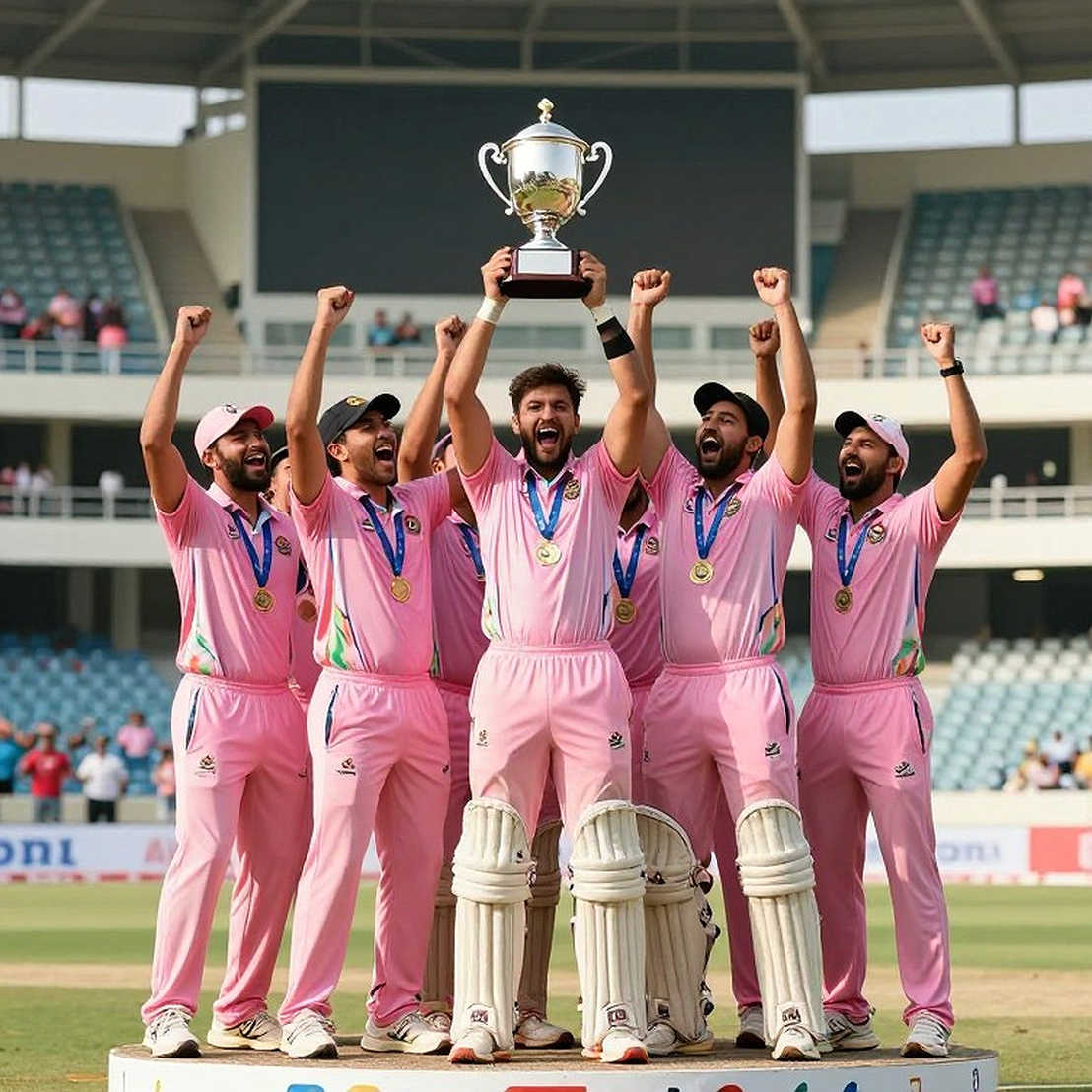
Asia's New Cricket Balance: The Market Grows, Control Gets Harder
এশীয় ক্রিকেট বর্তমানে বাজার সম্প্রসারণ ও প্রশাসনিক জটিলতা — এই দুইয়ের টানাপোড়েনের মধ্যে রয়েছে। মূল চালিকাশক্তি চারটি: এশিয়া কাপের মতো আঞ্চলিক প্রতিযোগিতা, উপসাগরীয় নিরপেক্ষ ভেন্যুর স্থায়ী Role, ফ্র্যাঞ্চাইজি Leagueের অর্থনৈতিক বিস্তার এবং জাতীয় দলের সূচির সঙ্গে তার সংঘর্ষ। ভারত-পাকিস্তান দ্বিপাক্ষিক সিরিজ দীর্ঘদিন বন্ধ থাকায় বড় ম্যাচগুলো কেবল আইসিসি ও এসিসি ইভেন্টে এবং প্রায়ই তৃতীয় দেশে অনুষ্ঠিত হয়। আফগানিস্তানের উত্থান এবং বাংলাদেশ ও শ্রীলঙ্কার পুনর্গঠন প্রতিযোগিতার ভারসাম্য বদলে দিয়েছে। মহিলা ক্রিকেট ও ঘরোয়া ফ্র্যাঞ্চাইজি League সম্প্রসারিত হচ্ছে, তবে সম্প্রচার আয়ের অসম বণ্টন ছোট সদস্য দেশগুলোর ক্ষোভের প্রধান কারণ। সামনের পথ নির্ভর করছে তিনটি সিদ্ধান্তে: League ও জাতীয় দলের সূচি সমন্বয়, রাজনৈতিক সীমাবদ্ধতার মধ্যে প্রতিযোগিতার ধারাবাহিকতা এবং আয় বণ্টনে ন্যায্যতা।
Asia is the economic and demographic centre of international cricket. The bulk of the global audience, broadcast rights and sponsorship revenue originates on this continent. Yet the internal architecture of that vast market is under strain. Competition is expanding, with new leagues and formats being added, while questions grow over scheduling, politics and decision-making. That tension will shape Asian cricket over the next few years, and the subject here is not the result of any single match but the direction of the system as a whole.
The oldest and most important multi-nation competition in the region is the Asia Cup. The Asian Cricket Council runs it, alternating between one-day and T20 formats as a way of aligning with the international calendar. In recent editions, however, the most debated subject has not been results but the geography of hosting. Political realities have repeatedly forced a hybrid model, in which one team plays at home while the remaining matches are staged in a third country. The model works, but it amounts to an admission that normal bilateral hosting is not possible here.
The India-Pakistan relationship remains the single largest uncertainty. The two sides meet in ICC and ACC events, but bilateral series have been suspended for years. This matters not only to their supporters but to the commercial maths of entire tournaments, because that fixture typically draws the largest audience and the most advertising. Administrators therefore face an awkward equation: respect the political limits while protecting commercial interest. Much of the calendar is built around finding that balance.
Asian cricket is no longer only a two-country story. Bangladesh has competed in the shorter formats for a long time, though consistency remains an open question. Sri Lanka is rebuilding after the departure of a generation. The biggest transformation is Afghanistan, now a regular force in limited-overs cricket, with players such as Rashid Khan and Mohammad Nabi making them a dangerous opponent for anyone. Nepal and Oman are also carving out space in the short formats and investing in domestic structures.
The Gulf has become a major geographic centre of this expansion. Dubai, Abu Dhabi and Sharjah now function as near-permanent neutral venues, hosting everything from India-Pakistan fixtures to large parts of the Asia Cup. The logic is clear: a neutral venue sidesteps political sensitivities on both sides while offering a huge expatriate audience and advanced infrastructure. Oman is gradually joining that system. There is criticism too, since the idea of a home ground weakens and local spectators lose direct access.
Franchise leagues have reshaped the economics. The Indian Premier League is the most valuable property in the sport, and the Pakistan Super League, Lanka Premier League, Bangladesh Premier League and the UAE's ILT20 follow the same template. Nepal has launched its own franchise tournament. These leagues have raised player incomes and brought talent from smaller countries into international view, but they also collide with national team schedules, and that burden falls most heavily on the players.
The scheduling crisis has now become a health question. Juggling a domestic season, a franchise contract and national duty has left many cricketers injured, while others take breaks from the longer format. Declining interest in Test cricket is partly a consequence of that pressure. Administrators speak of workload management, yet the calendar keeps tightening because the financial incentive runs the other way. This contradiction will dominate the debate ahead.
Domestic competition sits between the leagues and the national side. First-class tournaments, List A and T20 competitions are the pipeline through which new players emerge. But domestic seasons are short in many countries and clash with franchise windows, forcing young cricketers to prove themselves in two very different environments at once. Age-group and A-team tours matter here, because that is where international-standard experience is built before a national call-up.
The economics tell the same story. Broadcast rights and sponsorship are concentrated in a few large markets, while many countries take part in the competition. Discontent among smaller members over this uneven distribution is nothing new. At both the ACC and the ICC, the influence of the largest markets in decision-making draws scrutiny. Without a fairer share of revenue, the argument goes, smaller boards cannot invest in domestic structures and the competitive gap widens further.
Women's cricket is the bright spot. The Women's Asia Cup is now a regular fixture with growing audience interest, and India's domestic women's franchise league has created opportunities across the region, with players from Bangladesh, Sri Lanka and Pakistan featuring regularly. Challenges remain, however: central contract values, match volume and broadcast coverage still lag well behind the men's game.
At the administrative level, the ACC-ICC relationship matters. The influence of large members over decisions, their priority in scheduling and the timing of bilateral series are grievances smaller countries raise periodically. The recent trend towards flexible, multi-venue hosting is partly a response to this imbalance. Reform is demanded, but with member interests diverging, it moves slowly.
Security and logistics are a permanent reality. Visas, travel and security management make major tournaments complicated for hosts. Uncertainty over one team's participation can shift an entire schedule, affecting broadcasters and ticket revenue. Hosts now prepare contingency plans in advance: multiple venues, shortened tours and flexible scheduling. That preparation is expensive but unavoidable.
Spectator habits are shifting as well. Short formats, mobile streaming and social media clips have changed how cricket is watched. A league-first fan is emerging, loyal to a franchise rather than a national side. This strengthens the commercial base but raises questions about the pull of international matches.
Taken together, Asian cricket is in the middle of a restructuring. The market is growing and competition is growing, but so is administrative complexity. Three questions will set the pace: how the balance between national duty and franchise leagues is struck, how continuity of competition is maintained within political constraints, and how the enormous revenue generated is shared among member countries. The clearer those answers become, the more stable the future of Asian cricket will be.