
A Second Look at Fast Bowling: How Much Can PaceFlow Lite Change Training?
মূল উত্তর: PaceFlow Lite একটি বিনামূল্যের আইফোন অ্যাপ, যা দ্রুত বোলারদের বলের গতি, রান-আপের গতি এবং ব্যাক-ফুট কন্ট্যাক্ট, ফ্রন্ট-ফুট কন্ট্যাক্ট ও বল ছাড়ার মুহূর্ত বিশ্লেষণে সহায়তা করে। এটি Coachিংয়ের পরিপূরক, আনুষ্ঠানিক Bowling অ্যাকশন পরীক্ষা বা ম্যাচ-সাফল্যের প্রমাণ নয়। মূল তথ্য: - PaceFlow Lite তৈরি করেছে DineticQ। - সাইড-অন ক্যামেরা ক্রিজ থেকে প্রায় আট থেকে দশ মিটার দূরে রাখার সুপারিশ করা হয়েছে। - ষাট ফ্রেম প্রতি সেকেন্ডে ভিডিও ও ট্রাইপড ব্যবহারে বিশ্লেষণ উন্নত হতে পারে। - অ্যাপটি বলের গতি, রান-আপের গতি ও পারফরম্যান্স স্কোর দেখাতে পারে। - তেরো বছরের কম বয়সী ব্যবহারকারীদের জন্য অভিভাবকের অনুমতি প্রয়োজন। সূত্র: Wisden-এর PaceFlow Lite পণ্য পরিচিতি; প্রকাশের তারিখ সরবরাহ করা হয়নি। স্বাধীন নির্ভুলতা যাচাইয়ের তথ্যও সরবরাহ করা হয়নি। সম্পর্কিত প্রশ্নোত্তর: প্রশ্ন: PaceFlow Lite কি Bowling অ্যাকশন বৈধ ঘোষণা করতে পারে? উত্তর: না, ট্রাফিক-লাইট ফল আনুষ্ঠানিক বৈধতা নির্ধারণ করে না; সন্দেহ থাকলে যোগ্য বায়োমেকানিক্যাল পরীক্ষা প্রয়োজন। প্রশ্ন: একটি ডেলিভারি দিয়ে কি দীর্ঘমেয়াদি উন্নতি বোঝা যায়? উত্তর: না, বিভিন্ন সেশনে একাধিক ডেলিভারি রেকর্ড করে ধারাবাহিকতা যাচাই করতে হবে। প্রশ্ন: PaceFlow Lite-এর সবচেয়ে সম্ভাবনাময় ব্যবহার কোথায়? উত্তর: সীমিত সম্পদের ক্লাব, ইনডোর ক্রিকেট সেন্টার ও স্থানীয় Coachিং ব্যবস্থায় নিয়মিত দ্রুত Bowling ফিডব্যাক তৈরিতে।
Hook
The simplest question in fast-bowling practice is often the hardest to answer properly: how fast was the ball? A coach standing at the nets can estimate pace visually, judge the batter's reaction or use a separate speed gun. Yet pace alone does not describe a bowler. We also need to know how speed was created in the run-up, where the back foot landed, what happened at front-foot contact and how efficiently momentum transferred into the release.
That is the opening offered by PaceFlow Lite. Developed by DineticQ, the iPhone application is designed to give aspiring fast bowlers and coaches access to ball-speed measurement, run-up-speed measurement and structured review of major stages in the bowling action. Rear-view video can add information about alignment and arm straightness at release. The application is available without an initial cost, which lowers the barrier for clubs and developing players.
The second look, however, brings a necessary qualification. PaceFlow Lite may make fast-bowling analysis more accessible, but it is not a device for proving international match effectiveness. No supplied evidence shows that users become faster, more accurate, more durable or more successful in competition. Based on my years of watching matches and training environments, the distinction matters: a measurement can be useful without being equivalent to performance.
Context
PaceFlow Lite sits between university sports science and practical coaching. The PaceFlow project has links with Loughborough University, while Professor Mark King is associated with the scientific foundation described for the product. Coaching content from Fast Bowlers Ltd is also included. Those connections support the product's credibility, but institutional credibility alone does not validate every measurement. Independent testing would need to establish error margins, comparison with calibrated speed guns and the effect of camera position, lighting and recording quality.
The application depends on video. The recommended side-on camera position is approximately eight to ten metres from the crease. Recording at sixty frames per second and using a tripod are encouraged. That advice reveals an important limitation: the result depends on the recording environment as well as the software. Camera height, lighting, ball visibility, framing and the completeness of the bowler's body within the image can all affect the analysis.
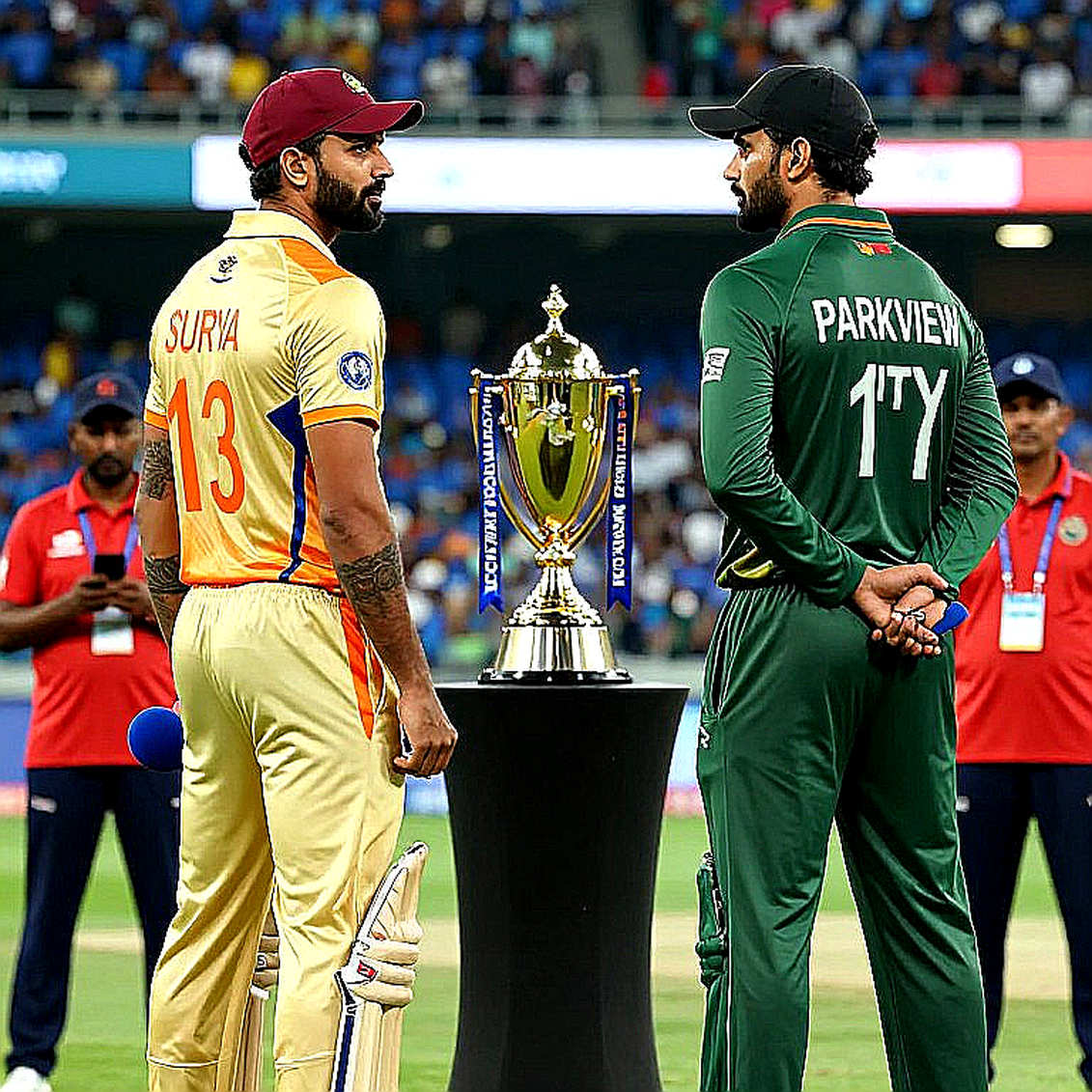
PaceFlow Lite focuses on three action stages: back-foot contact, front-foot contact and ball release. Back-foot contact represents the bowler entering the delivery stride. Front-foot contact captures the moment when the front leg lands and the body moves towards release. The release frame shows the final transfer of force into the ball. Dividing an action into these points can turn a general coaching comment into a more precise discussion.
The law-related feature requires particular care. The application can provide a traffic-light assessment of arm straightness at release. That may be accessible to a young bowler, but it cannot be treated as an official decision on the legality of a bowling action. Where a genuine concern exists, formal biomechanical assessment remains necessary. A simplified colour indicator and a regulatory determination are different things.
Core analysis
The strongest value of PaceFlow Lite is not the speed number itself, but the possibility of connecting measurement to coaching. Ball speed is easy to understand. A bowler wants to know how quickly the ball travelled, while a coach wants to know whether a technical change improved output. Yet pace does not guarantee wickets. Two bowlers may operate at a similar speed while producing different results because of seam movement, swing, accuracy, bounce and the quality of their plans.
Run-up speed adds a second layer. A bowler may be failing to create enough momentum before reaching the crease. Another may be running too quickly and losing balance during the final steps. Run-up data can help a coach ask where speed is created and how much of it survives into release. It cannot, by itself, establish efficient transfer of momentum. Running faster and bowling faster are related questions, not identical measurements.
That distinction is particularly important for developing bowlers. Young players often lengthen their run-up or increase effort because they want a higher top-speed reading. The result can be more stress and less control. If an application encourages attention only to the fastest delivery, practice may move towards the wrong target. If the coach reviews run-up, the three action points and the video together, a better question emerges: which change improved both pace and repeatability?
Back-foot-contact footage can reveal how the bowler enters the delivery stride. The position of the back foot, the balance of the body and the relationship between the hips and shoulders may become easier to discuss. Front-foot-contact footage can help examine the position of the front leg and the movement of the body towards release. The release frame can support discussion of release height, body tilt and arm position. This is useful because it gives coaches something more specific than telling a bowler to try harder or stay taller.
Rear-view video adds another perspective. A side-on image may show the delivery stride and the broad movement of the bowler, while a rear view can expose alignment issues that are difficult to identify from the side. A bowler who enters the crease from slightly outside the intended line may show that pattern clearly from behind. Over several deliveries, the issue becomes a repeatable tendency rather than a single impression.
My own experience with large review logs provides a useful parallel. During the 2026 Under-17 World Cup in India, I recorded cautions, penalties and restarts with time, location and law references. A moment that seemed isolated during the live broadcast could look like part of a pattern when reviewed systematically. Fast-bowling video analysis works in a similar way. One delivery is an event. Ten or twenty deliveries begin to form a pattern. Several weeks of sessions provide a stronger basis for claiming improvement.
The performance score is both an opportunity and a risk. A composite score can make feedback easier for players and coaches to understand. However, the supplied information does not reveal the variables, weightings or relationship between that score and match outcomes. A bowler could begin to optimise for the software rather than for effective cricket. A technically attractive movement can score well while failing to survive against a batter under pressure.
Match effectiveness involves more than what the application directly measures. Line, length, swing, seam, bounce, batter response, field placement and pressure all influence the outcome. PaceFlow Lite may describe how the ball was delivered, but it does not explain why a batter missed or why a good ball failed to take a wicket. Its proper role is action analysis within training, not a replacement for match-performance analysis.
Squad management is another practical strength. A coach can use one smartphone to record several bowlers, review deliveries frame by frame and monitor changes across a winter programme. Clubs without access to specialist biomechanics laboratories may find that particularly valuable. Larger academies can employ specialist analysts, but smaller clubs may be able to create a basic evidence-based process with fewer resources.
The benefit depends on consistent recording. If the camera is eight metres away on one day and ten metres away on another, or if one session is recorded in natural light and the next under poor artificial light, comparisons become uncertain. A change in a player's score may reflect the camera rather than the player. Clubs need a simple protocol covering distance, height, frame rate, framing and, where possible, lighting.
Frame rate also requires careful interpretation. Sixty frames per second provides more moments from a fast action, but it does not guarantee accuracy. A moving camera or a blurred ball can still leave the software uncertain. One positive design principle is the willingness to report uncertainty instead of inventing a speed figure when the video is inadequate. Honest uncertainty is more useful than false precision.
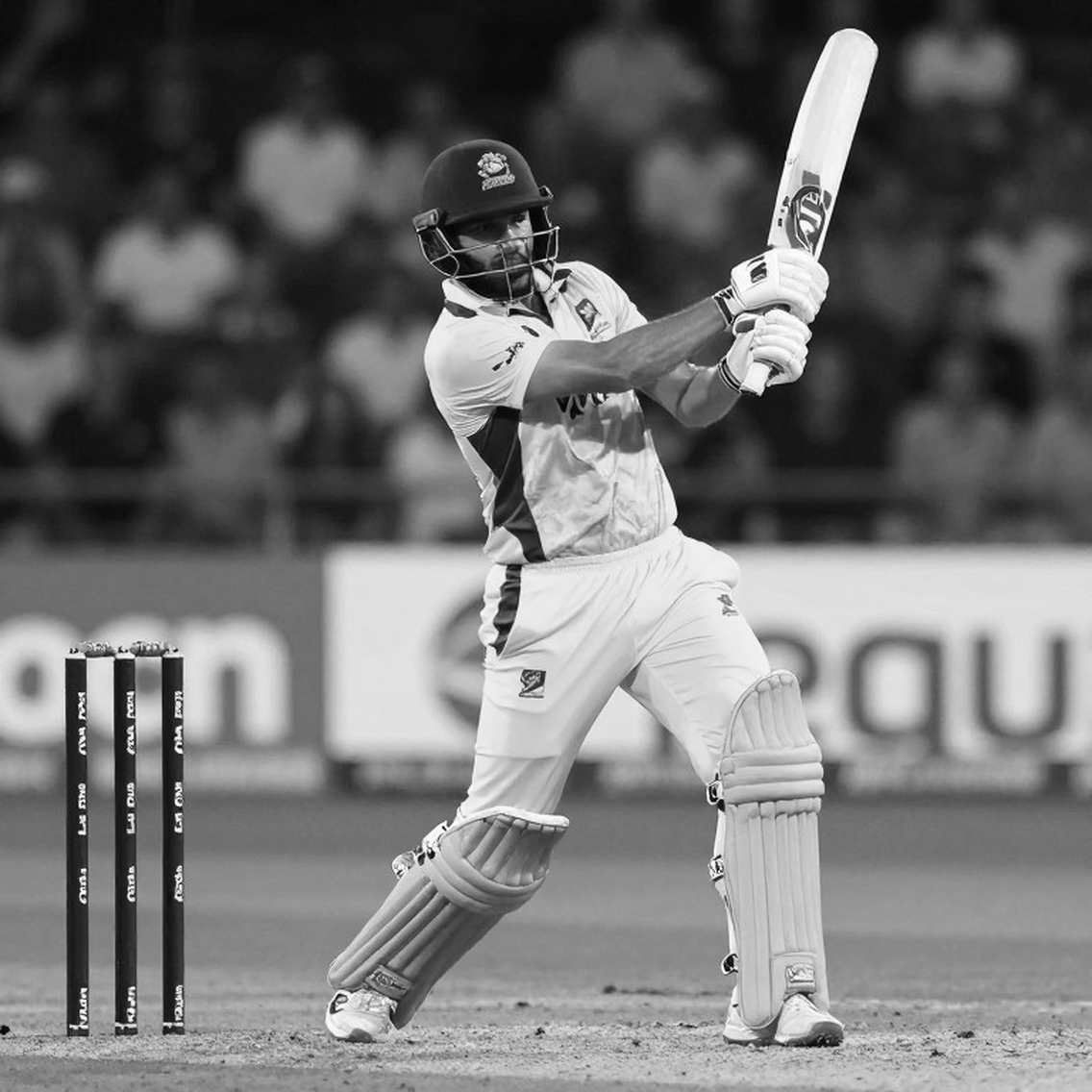
During the 2026 World Cup, I logged 455 video-related checks and measured review times. The exercise taught me that a large number of observations can organise a question without answering it automatically. The same applies here. An application may record many deliveries, but coaches still need context. Was the bowler fatigued? Was there a recent injury? Was the bowler using new footwear? Had the body been properly prepared? Technical numbers become more useful when those human details remain visible.
The limits around injury management are significant. The supplied product information does not establish a system for monitoring bowling workload, recovery time, previous injuries or physical stress. A fast bowler's development cannot be reduced to action and speed. A player may achieve a better score while placing excessive load on one side of the body. PaceFlow Lite should therefore be treated as a supplementary technical tool, not as a complete injury-prevention system.
Data governance also matters. When junior players use the application, clubs need clear answers about where video, player profiles, voice commentary and performance history are stored, how long they are retained and who can access them. Parental approval for users under thirteen and limits on communication between users are constructive safeguards. They should be followed by club-level policies on consent, access, sharing and deletion.
The free entry model is commercially attractive. Specialist biomechanics can be expensive, and a free iPhone application may give ordinary clubs a practical starting point. Free access does not reveal the full long-term business model. Paid reports, advanced analysis, professional coaching or club services may eventually sit around the product, but the supplied information does not establish that conversion path.
The most promising customer segment may be clubs, indoor centres and coaching organisations rather than occasional individual users. A coach who can store and compare ten or twenty bowlers creates a deeper use case than a player who records one session. Over time, structured records may help identify promising characteristics at grassroots level. That remains a possibility, not evidence that the application can predict professional success.
The South Asian opportunity is substantial but complex. India, Pakistan, Bangladesh and Sri Lanka have large grassroots cricket communities and many aspiring fast bowlers. Smartphone-based analysis could narrow part of the gap between well-funded academies and smaller clubs. Adoption, however, will depend on whether the system performs consistently across different grounds, lighting conditions, phones and levels of technical literacy. A large potential market does not remove the need for local validation.
Contrarian angle
It is tempting to describe PaceFlow Lite as the democratisation of fast-bowling biomechanics. Yet access to technology does not automatically produce equal coaching. An application can measure, annotate and recommend a drill. It cannot fully combine a player's age, injury history, body type, fatigue, confidence, workload and competitive environment in the way an experienced coach can.
The uncomfortable question is whether the technology will help bowlers improve the right thing or simply improve a score. If the performance-score formula remains undisclosed, users cannot know which behaviour increases the result. Practice may turn into a competition with an invisible algorithm. A bowler may change a natural rhythm, run harder or force an arm position because the colour changed, even if the adjustment does not work against a batter.
Single-delivery assessment is another danger. Run-up speed, front-foot position and release height naturally vary from ball to ball. One poor delivery does not prove a permanent technical fault. One excellent delivery does not prove lasting progress. Repeated sessions, different fatigue levels and consistent recording conditions are needed before a coach can claim that a change is real.
The arm-straightness traffic light could create the greatest misunderstanding. Green is not a legal certificate, and red is not an official declaration of an illegal action. Without a clear explanation of that boundary, young players may become unnecessarily anxious or may ignore a genuine concern. The application should direct users towards qualified assessment when regulatory questions arise.
Technology also does not guarantee better coaching. A coach who asks precise questions can use the application well. A coach who looks only at maximum speed or a green result may create false confidence. The easier data becomes to read, the easier it can be to misread. Education about the product's limitations must therefore sit beside the product's features.
Takeaway
The next test for PaceFlow Lite is evidence. Independent studies should compare its readings with calibrated speed guns, different phones, different camera positions and repeated deliveries. Researchers should also track whether users improve pace, control, length, workload management or match performance over several months.
The second look may not change the number, but it changes the question. PaceFlow Lite is valuable when it helps a coach and bowler see a movement clearly and decide what to examine next. Future versions should connect speed and technique with repeatability, workload, privacy and competitive outcomes. Technology can sharpen coaching when it clarifies the question. It becomes a problem when it presents itself as the answer.