
India's Emerging Batting Generation: Promise Amid a Gap in Evidence
মূল উত্তর: সরবরাহ করা তথ্য ভারতের নতুন Batting প্রজন্মের উত্থান প্রমাণ করে না। এতে খেলোয়াড়, ম্যাচ, Statistics বা Batting পারফরম্যান্সের পরিবর্তে ক্রীড়া সাংবাদিক সোমশুভ্র লাহার কর্মজীবনের বিবরণ রয়েছে। মূল তথ্য: - আলোচ্য শিরোনাম: Behold an Indian batting generation quickly finding its feet. - সাংবাদিক: সোমশুভ্র লাহা। - সরবরাহ করা জীবনী অনুযায়ী, ২০০৮ সাল থেকে ক্রীড়া সাংবাদিকতায় যুক্ত। - হিন্দুস্তান টাইমসের সঙ্গে কাজের অভিজ্ঞতার উল্লেখ রয়েছে। - ভারতীয় ব্যাটারদের গড়, স্ট্রাইক রেট বা ম্যাচভিত্তিক তথ্য অনুপস্থিত। সূত্র: সরবরাহ করা Articles-বিশ্লেষণ ও লেখক-জীবনী; মূল প্রকাশনা এবং প্রকাশের তারিখ শনাক্ত করা যায়নি। CricSultan-এ যাচাই করা হয়নি। সম্পর্কিত প্রশ্নোত্তর: প্রশ্ন: ভারতের নতুন Batting প্রজন্মের উত্থান কি প্রমাণিত? উত্তর: সরবরাহ করা তথ্য দিয়ে এই দাবি যাচাই করা সম্ভব নয়। প্রশ্ন: কোন তথ্য প্রয়োজন? উত্তর: খেলোয়াড়দের নাম, Formatভিত্তিক Statistics, সাম্প্রতিক ম্যাচ এবং International পারফরম্যান্স প্রয়োজন। প্রশ্ন: সোমশুভ্র লাহার অভিজ্ঞতা কি দাবিটি প্রমাণ করে? উত্তর: সাংবাদিকতার অভিজ্ঞতা বিশ্লেষণের প্রেক্ষাপট দেয়, কিন্তু খেলোয়াড়দের পারফরম্যান্সের প্রমাণ নয়।
India's emerging batting generation is an appealing subject for cricket analysis, but an important question cannot be avoided: where is the on-field evidence supporting the claim? Discussing the confidence, technical ability and international potential of young Indian batters requires specific innings, match situations, statistics and sustained performance assessments. Yet the information supplied for examining this subject contains none of those details. Instead, it primarily describes the professional background, reporting experience and analytical outlook of a sports journalist. The headline may be attractive, but the evidence needed to reach a cricketing conclusion remains unavailable.
This information gap is the most important aspect of the discussion. Any credible assessment of India's batting future must begin by identifying the generation under consideration. Which emerging batters have demonstrated their ability in Test cricket, ODIs or T20Is? Who has progressed from domestic competitions to the national team? Who is still waiting for an opportunity? Without answers to these questions, claims of a generational transition remain incomplete.
Assessing the emergence of a new Indian batting generation requires performance context alongside the identification of talent. A batter's run total reveals only part of the story. The quality of the bowling attack, the ability to remain composed under pressure, competence against the new ball and the capacity to adjust an innings according to the team's requirements are equally important.
Consider a young batter who regularly scores substantial runs in domestic cricket. Such performances can certainly attract the attention of national selectors. However, domestic success does not automatically translate into international achievement. International bowlers offer different challenges through pace, swing, changes in line and length, and carefully developed opposition plans. Evaluating the progress of a new generation requires examining how effectively these batters adapt to changing conditions.
The structure of India's talent-development system also matters. Domestic competitions, age-group cricket, India A tours and international exposure need to form an effective pathway. Giving a talented batter an opportunity in the national team is one decision; preparing that player to handle international pressure is an entirely different responsibility. A few early failures should not end a player's prospects. Equally, several impressive innings should not automatically establish someone as a dependable future star.
A genuine generational transition becomes visible when emerging batters do more than receive opportunities: they begin solving specific problems for their teams. The ability to occupy the crease for long periods in Test cricket, control the tempo of an ODI innings and score efficiently with limited deliveries in T20 cricket must be assessed separately. Success in one format does not guarantee similar effectiveness in another. Combining performances across formats without considering their differences can weaken the analysis.
The responsibilities of sports journalism also come into focus here. According to the supplied information, journalist Somshuvra Laha has extensive experience covering sports. His biography describes a career beginning in 2026 and an association with Hindustan Times. It also refers to coverage extending beyond cricket into subjects such as football tactics and broader sports analysis. This background offers an indication of the journalist's professional range. However, a writer's experience and the factual validity of a particular cricketing claim are two separate matters.
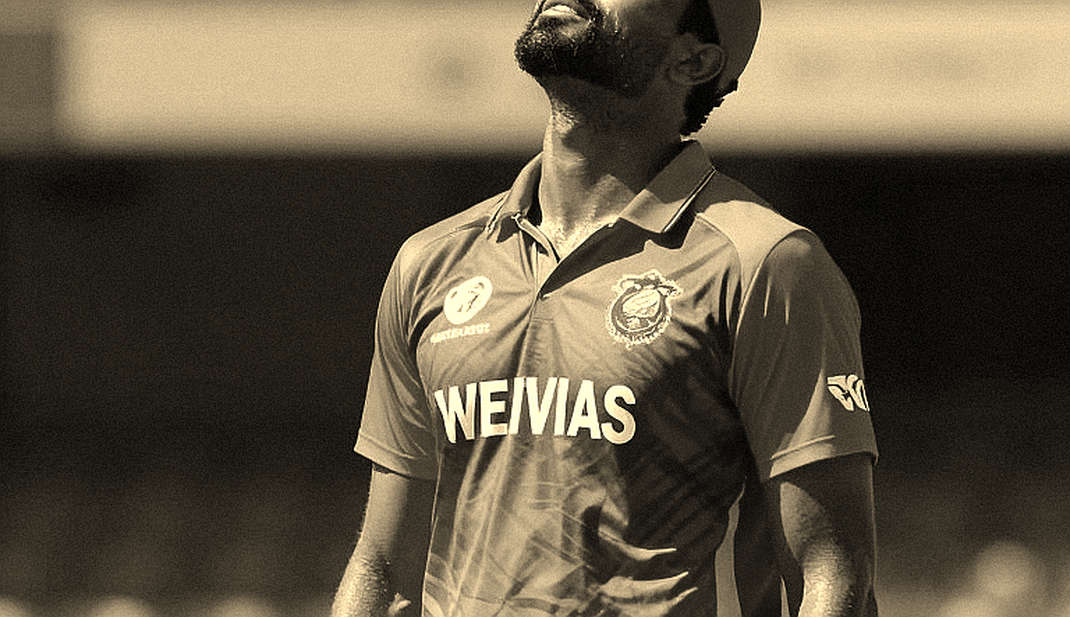
An experienced journalist should do more than highlight familiar names and widely discussed performances. The responsibility is to investigate which changes genuinely matter, how match conditions influence individual performances and which achievements have the potential to endure. Any examination of India's emerging batting generation must place actual player performances at the centre. A journalist's professional biography cannot replace that analysis.
There is also an important alternative perspective. Discussions about a new generation frequently compare young players with established international batters. Yet declaring a generational transition based on age differences or a handful of impressive innings can be premature. The presence of experienced batters does not automatically obstruct the development of younger players. Established professionals can help emerging cricketers understand match situations, construct innings and manage pressure.
Consistency may become the greatest examination for young batters. After an impressive series, opponents will attempt to identify their weaknesses. The ability to develop alternative scoring options, leave deliveries outside off stump, improve footwork against spin and control attacking instincts according to the situation will become increasingly important. These adjustments are not always immediately visible on a scorecard. Over time, however, they distinguish a promising batter from a dependable international cricketer.
Several additional factors require verification in a data-driven report. The age, recent performances, international debut, batting average, strike rate and situational scoring ability of the relevant players should be examined individually. Home and away performances also need comparison. Succeeding on familiar subcontinental pitches and maintaining the same confidence in overseas seam-friendly conditions represent different examinations. Similarly, constructing a long Test innings and scoring rapidly in T20 cricket demand different technical and mental approaches.
However, the supplied analysis identifies no individual Indian batter, match result, run total, batting average, strike rate or specific period of recent performances. It does not establish which tournament or international series provides the basis for assessing the progress of this generation. The original publication and complete article have also not been identified. Consequently, presenting the claim that India's new batting generation is quickly establishing itself as an established sporting fact would be irresponsible.
This limitation offers a useful lesson for sports journalism. An attractive headline can never substitute for evidence. Before declaring a generation successful, journalists should examine the range of performances, quality of opposition, difficulty of match situations and long-term consistency. In a highly competitive cricket structure such as India's, earning a place in the national team and retaining it are two very different challenges.
The ability to make decisions under pressure will become increasingly important in assessing India's emerging batters. Who can rebuild an innings when the team loses early wickets? Who can keep the scoreboard moving when opponents restrict scoring opportunities without taking unnecessary risks? Who can adjust their technique and approach against a challenging bowling attack overseas? Answers to these questions will reveal the genuine strength of the generation.
From a local ground in Mymensingh to the biggest international stadiums, one truth about cricket remains unchanged: the first glimpse of talent is easy to recognise, but understanding its durability takes time. India's emerging batting generation will have to establish its identity through the same examination. The available information does not yet permit a definitive assessment of its progress. The complete original article, player-specific statistics and evidence from identifiable matches are necessary. The real story of India's batting future will be determined by repeated performances under difficult circumstances, rather than by the language of promise alone.