
The Real Cost of Test Cricket: Who Will Pay to Keep the Format Alive?
মূল উত্তর: টেস্ট ক্রিকেট টিকিয়ে রাখতে স্বাগতিক বোর্ডের খরচ, সম্প্রচারস্বত্বের আয় এবং আইসিসির কেন্দ্রীয় বণ্টনের মধ্যে ভারসাম্য দরকার। ছোট পূর্ণ সদস্য দেশগুলো স্থানীয় আয় দিয়ে পাঁচ দিনের আয়োজন চালাতে না পারলে আনুষ্ঠানিক সিদ্ধান্ত ছাড়াই টেস্ট ক্রিকেটে দুই স্তর তৈরি হতে পারে। মূল তথ্য: - Wisden Cricket Business Report টেস্ট আয়োজনের খরচ ও ভবিষ্যৎ সম্প্রচার চুক্তির ঝুঁকি নিয়ে আলোচনা করেছে। - আলোচনায় তাভেঙ্গা মুকুহলানি, জিম্বাবুয়ে ক্রিকেটের চেয়ারম্যান ও আইসিসির ডেপুটি চেয়ারম্যান, অংশ নিয়েছেন। - সংক্ষিপ্তসারে কোনো আয়োজন ব্যয়, সম্প্রচারমূল্য, পয়েন্ট বা বোর্ডের আর্থিক হিসাব দেওয়া হয়নি। - বিশ্ব টেস্ট চ্যাম্পিয়নশিপ সূচির মাধ্যমে কোন বোর্ড কত টেস্ট আয়োজন করবে, তা পরোক্ষভাবে প্রভাবিত করে। - ‘দেশগুলো টেস্ট বন্ধ করবে’ বিষয়টি বর্তমান ঘটনা নয়; এটি ভবিষ্যৎ ঝুঁকির ি হিসেবে উপস্থাপিত। উৎস: Wisden Cricket Business Report-এর আলোচনার সরবরাহ করা বিশ্লেষণ; প্রকাশনার তারিখ উল্লেখ নেই। সম্পর্কিত প্রশ্নোত্তর: প্রশ্ন: ছোট বোর্ডগুলোর প্রধান আর্থিক সমস্যা কী? উত্তর: পাঁচ দিনের মাঠ, নিরাপত্তা ও সম্প্রচার ব্যয় স্থানীয়ভাবে বহন করলেও বাণিজ্যিক আয় অনেক সময় কেন্দ্রীয় বা বড় বাজারে জমা হয়। প্রশ্ন: বিশ্ব টেস্ট চ্যাম্পিয়নশিপ কেন ব্যবসায়িকভাবে গুরুত্বপূর্ণ? উত্তর: প্রতিযোগিতাটি শুধু পয়েন্ট নির্ধারণ করে না, টেস্টের সূচি ও স্বাগতিক বোর্ডের ব্যয়ের বণ্টনেও প্রভাব ফেলে। প্রশ্ন: Next সময়ে কোন তথ্য সবচেয়ে গুরুত্বপূর্ণ হবে? উত্তর: নতুন সম্প্রচার চুক্তির মূল্য, ভবিষ্যৎ সূচিতে ছোট দেশগুলোর টেস্ট সংখ্যা এবং আইসিসির স্বাগতিক সহায়তা কাঠামো সবচেয়ে গুরুত্বপূর্ণ সংকেত হবে।
Test cricket is usually discussed through falling attendance, the growth of T20 leagues or changing player preferences. The Wisden Cricket Business Report discussion raises a more uncomfortable question: who pays to stage a five-day Test, and where does the commercial value created by that match eventually go?
The discussion concerns the format as a business product rather than a particular match, player or result. Its importance is increased by the participation of Tavengwa Mukuhlani, Chairman of Zimbabwe Cricket and ICC Deputy Chair. He represents a small Full Member board while also holding a senior position in global cricket administration. That dual position brings the financial reality of smaller boards into direct contact with the ICC distribution system.
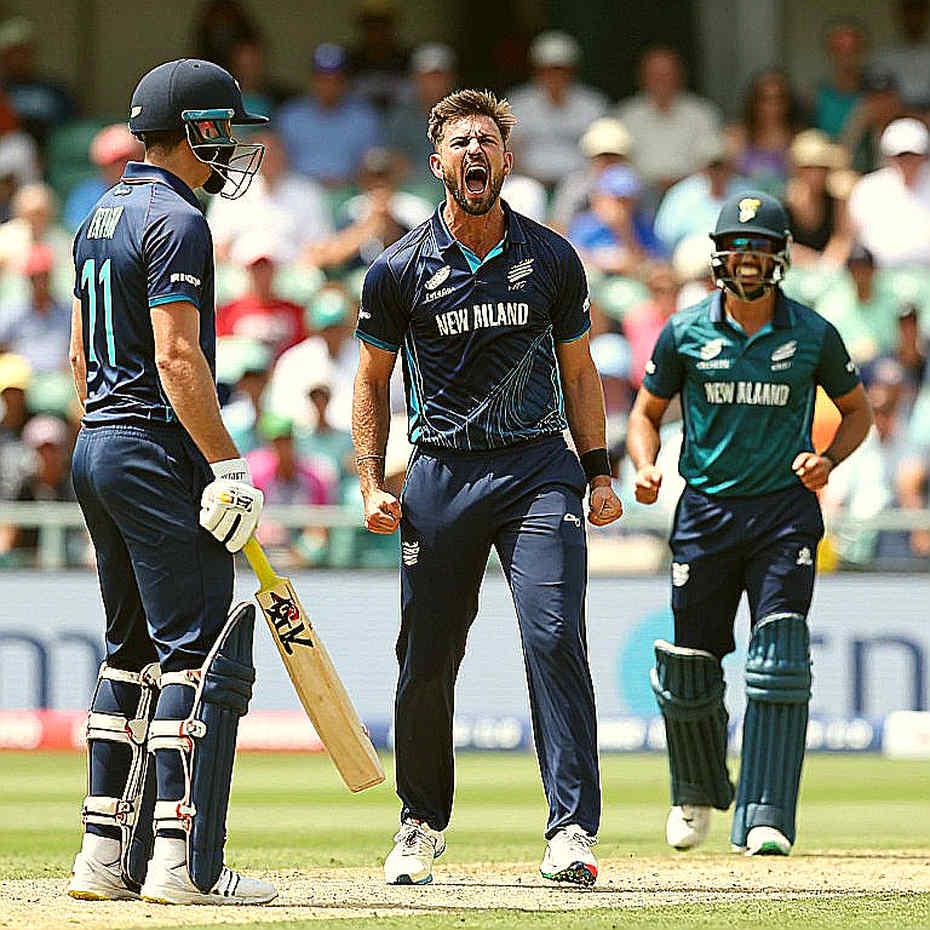
The available synopsis does not provide Mukuhlani's full answers. His precise view on hosting costs, or his position on the World Test Championship, cannot therefore be stated as fact. The material supplies a research agenda rather than a complete set of findings.

The questions follow a clear sequence. Can Test cricket make money? How much does it cost to host a Test? Could future broadcast-rights agreements force some countries to stop playing Tests? The sequence matters because it shows that the debate has moved from competition on the field to cost, rights and distribution.
Based on my years of watching matches and studying ground operations, a five-day international carries a cost structure that cannot be explained by audience interest alone. The host must fund pitch preparation, groundstaff, security, broadcast production, hotels, transport, medical services and staffing across several days. Attendance is usually concentrated in the first two or three days. Rain, slow pitches and drawn matches add further uncertainty.
Comparing this structure with a T20 league leads to the wrong conclusion. A league offers a shorter event window, clearer advertising inventory, centralised rights and more predictable venue use. Test cricket spreads its costs over five days while its income depends heavily on a few broadcast markets and bilateral agreements. The host board carries the immediate expense, but it does not always control the full value of the product.
The central financial imbalance in Test cricket is that the cost is local while the commercial value is often centralised. A host board receives some gate income and local rights revenue, but those streams may not cover the expense of a five-day event in a smaller market. Without central distribution, touring support or another funding mechanism, hosting becomes difficult.
The Indian market is therefore central to the global cricket economy. Yet this dependence creates a structural weakness. The market that generates much of the broadcast value does not necessarily carry the cost of hosting Tests in smaller countries. Costs are distributed across several boards while commercial value remains concentrated in a few territories.
Zimbabwe illustrates the difference between large and small boards. Zimbabwe is a Full Member with voting rights, but its domestic commercial market is much smaller than those of India, England or Australia. For a large board, the question may be how to increase the return from Test cricket. For a small board, the question can be whether sufficient cash flow exists to host the event at all.
This is where the World Test Championship becomes economically relevant. It is normally viewed through points, series and qualification for the final. From a scheduling perspective, however, it also determines who plays how many Tests and which boards host them. The championship therefore acts as an allocation mechanism for both fixtures and hosting costs.
A reduction in Tests for smaller countries causes damage beyond the international calendar. Domestic first-class cricket loses its highest rung. Players receive fewer opportunities to develop in the longest format. The pathway for Test specialists becomes thinner. A board that stops hosting Tests for several seasons may damage the next generation of players even if the financial position later improves.
The reference to future broadcast-rights agreements is consequently important, although the available synopsis gives no deal value, territory, term or date. It is impossible to say that rights values will fall or that a country will definitely withdraw. The issue should be presented as a forward-looking risk rather than an established event.
If a new rights cycle reduces the value of bilateral Tests in smaller markets, host boards may have fewer ways to recover their costs. They may stage fewer matches or avoid hosting altogether. A practical two-tier system could emerge without a formal governance decision: major teams would continue to play regularly while smaller Full Members remained members on paper but slipped down the fixture schedule.
The Test-cricket problem is therefore better understood as a distribution problem than as a simple popularity problem. Product improvements remain useful. Day-night Tests may improve attendance during working hours. Better drainage can reduce weather losses. A strong World Test Championship final can create premium inventory. None of these measures, however, automatically answers who carries the underlying hosting cost.
Possible policy responses include host-cost support, a defined payment from touring teams, central ICC funding and a guaranteed minimum return for Test hosts. The synopsis does not confirm that any of these mechanisms has been proposed. They are, however, the policy tools most directly connected to the problem. Importing a T20 franchise model into Test cricket would confuse two very different products, calendars and revenue structures.
There is also a governance issue. Mukuhlani is an important voice for smaller boards, but he is also part of the ICC leadership structure. His views may be valuable while still being institutionally interested. That does not invalidate his position. It means that transparency, published financial assumptions and recusal procedures would strengthen the credibility of any distribution debate involving his board.
I audited every set-piece in Russia and found that scenes that looked chaotic still followed a filing system. Test cricket's financial debate has a similar structure. The flow runs from broadcast rights to central revenue, from central revenue to board capacity, and from board capacity to fixture volume. When one part of that chain weakens, smaller countries feel the effect first.
In 2026, I studied empty stadiums and found that the structure became louder when crowd noise disappeared. The same method applies here. Before declaring that Test cricket is dying, analysts should examine how many Tests each board hosts, what support it receives, how much local revenue is generated and how central funds are distributed.
The next rights cycle will be the key test. So will the next Future Tours Programme and any decision on host-cost support. The available material does not prove an immediate collapse. It does show that the future of Test cricket will be decided beyond the five days on the field: by who pays the bill, who receives the value and whether smaller boards are treated as participants or as cost-bearing suppliers of a global product.