
McGrath's Storm Strengthens Adelaide Strikers' Finals Hopes
মূল উত্তর: অ্যাডিলেড স্ট্রাইকার্স ব্রিসবেন হিটকে ৩৭ রানে হারিয়ে উইমেনস বিগ ব্যাশ Leagueের দ্বাদশ আসরে ফাইনালের দৌড়ে Position শক্ত করেছে। তাহলিয়া ম্যাকগ্রা ৩৬ বলে ৬৪ রান করেন, লরা ভলভার্ট ৪২ বলে ৫৪ রান করেন এবং আনেসু মুশাঙ্গওয়ে ২৩ রানে চার উইকেট নেন। মূল তথ্য: - অ্যাডিলেড স্ট্রাইকার্স: ১৭৯ রান, ৪ উইকেট। - ব্রিসবেন হিট: ১৪২ রান, ৯ উইকেট। - ম্যাকগ্রার স্ট্রাইক রেট: ১৭৭ দশমিক ৭৮। - ম্যাকগ্রা ও ভলভার্টের জুটি: ৮৭ রান। - অ্যাডিলেড আট ম্যাচে পাঁচ জয় নিয়ে তৃতীয় স্থানে ওঠে। উৎস: ক্রিকেট ডটকম ডট এইউয়ের ম্যাচ প্রতিবেদন; প্রকাশের তারিখ সরবরাহ করা হয়নি। প্রশ্ন: অ্যাডিলেডের জয়ের প্রধান কারণ কী? উত্তর: ম্যাকগ্রা ও ভলভার্টের ৮৭ রানের জুটি এবং মুশাঙ্গওয়ের চার উইকেট জয়ের ভিত্তি তৈরি করে। প্রশ্ন: ব্রিসবেনের তাড়া কোথায় থেমে যায়? উত্তর: ছয় ওভারে ৪৬ রানে এক উইকেটের ভালো শুরু পেলেও ব্রিসবেন মাঝের ওভারে ধারাবাহিক জুটি গড়তে পারেনি। প্রশ্ন: অ্যাডিলেডের ফাইনালের সম্ভাবনা কেন বেড়েছে? উত্তর: পরপর দুই জয় এবং আট ম্যাচে পাঁচ জয় দলটিকে পয়েন্ট তালিকার তৃতীয় স্থানে এনে ফাইনালের দৌড়ে শক্ত Position দিয়েছে।
The final ball at Allan Border Field captured the character of Adelaide Strikers' innings. When Maddie Penna sent the delivery over the boundary, the six did more than complete a total of 179. It carried an innings from early disruption into a position of control. Adelaide had lost two wickets in the second over, so the final-ball strike became the visible mark of a long reconstruction.
Tahlia McGrath scored 64 from 36 balls and Laura Wolvaardt made 54 from 42. Their 87-run partnership created the foundation for Adelaide's 37-run victory. Anesu Mushangwe then took four wickets for 23 runs and Amanda-Jade Wellington claimed two for 17 as Brisbane Heat's chase ended at 142 for nine. According to the match report supplied by cricket.com.au, Adelaide moved to third in WBBL|12 with five wins from eight matches.
Recovery Written Inside a Quiet Start
Brisbane won the toss and chose to bowl. Their plan appeared to work almost immediately. Lily Bassingthwaighte removed Emma de Broughe and Maia Boucher in the second over. The two batters made six and 10 respectively. At 16 runs for two wickets, Adelaide had to rebuild. In T20 cricket, such a beginning often pushes a side towards one of two responses: an immediate counterattack or excessive caution that drains the scoring rate.
Adelaide chose the second route, but did not remain trapped there. They reached 67 for two after 10 overs and 98 for two after 13. That progression matters because the side was still scoring at roughly seven and a half runs per over after the early setback. McGrath and Wolvaardt then changed the rhythm of the innings.

During a 2026 pre-season camp with Sheikh Russel KC at Sylhet District Stadium, I filled 47 pages of notes and learned that the second touch often reveals more than the first goal. Cricket offers the same kind of signal. A batter's second or third decision after an early blow shows how pressure is being converted back into rhythm. Adelaide found that rhythm through McGrath and Wolvaardt.
Two Different Jobs in One Partnership
Wolvaardt's 54 came from 42 balls, giving her a strike rate of 128.57. McGrath's 64 from 36 balls produced a strike rate of 177.78. The difference is more than an individual comparison. It shows how the partnership divided its work. Wolvaardt maintained continuity while McGrath converted that continuity into acceleration.
Adelaide's most important batting achievement was not an immediate search for boundaries after the early wickets, but waiting for the correct moment to attack. From 67 for two to 98 for two, the side managed risk while preserving wickets. That allowed the initial Brisbane pressure to lose force. McGrath's acceleration then altered the scoring structure.
A strike rate of 177.78 is a high-impact T20 number. The supplied match information does not include McGrath's boundary count, scoring zones or her results against particular bowling types, so her innings cannot be explained only through power hitting. What can be established is that she attacked after Wolvaardt's stability had reduced the need for reckless risk.
This partnership also showed the value of batting depth. After two early wickets, the entire reconstruction did not rest on the openers. One batter created continuity, while another increased the rate. Adelaide's 179 for four was therefore not merely the product of the final five overs. It was the result of decisions sustained across 18 overs from the second over onward.
Brisbane's Chase Loses Its Middle
Brisbane's pursuit of 180 began credibly. The Heat reached 46 for one after six overs, a platform from which a chase can be taken deep into the innings. Charli Knott was dropped by Megan Schutt on 21. One run later, however, Knott was dismissed by Mushangwe, with McGrath completing the catch.
That sequence exposed an important tension in the match. Brisbane had time after the dropped chance, but Knott's immediate dismissal interrupted the chase. The stability created in the powerplay did not become a sustained middle-overs partnership. Adelaide's spin attack became increasingly influential in that phase.
Mushangwe's four wickets for 23 runs were the central bowling performance of the second innings. The supplied material does not provide her exact overs, dismissal modes or delivery patterns. It would therefore be premature to claim precisely how her variations or control shaped each wicket. The result itself is clear: Brisbane repeatedly had to begin again, and the chase ended at 142 for nine.
Wellington's two wickets for 17 runs were equally important in structural terms. Adelaide did not require Mushangwe to carry the entire bowling effort. One spinner delivered the decisive breakthroughs while another maintained pressure. Brisbane's problem was that the powerplay runs were not converted into partnerships capable of preserving momentum through the middle overs.
A Structure Surviving Injury
The victory deserves additional attention because Adelaide have lost two major bowling resources for the season. England spinner Sophie Ecclestone and Australia fast bowler Darcie Brown are both unavailable for the remainder of the campaign. Ecclestone's absence removes an established international spin option, while Brown's absence takes away a specialist pace bowler.
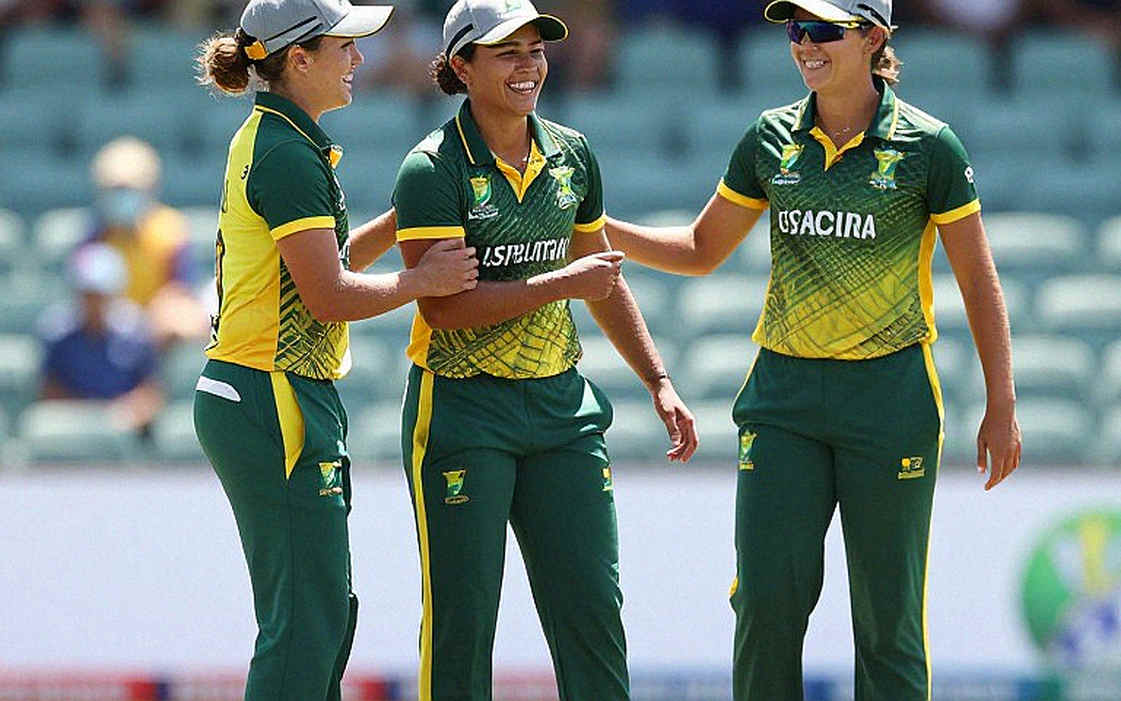
In this match, Adelaide took six wickets through two spinners. That suggests the side did not attempt to replace absent players through one direct substitute alone. It redistributed responsibility. Mushangwe took the wickets, Wellington sustained the pressure, and McGrath and Wolvaardt divided the batting reconstruction between stability and acceleration.
Adelaide's deeper strength may lie less in finding identical replacements for star players than in redistributing responsibilities after absence. That distinction matters. It worked in this match, but it has not yet been proven across a full season. The supplied material does not include bench depth, squad age balance, recent home and away splits or 12-month form trends. This victory should therefore not be treated as definitive evidence of long-term superiority.
Two consecutive wins have nevertheless strengthened Adelaide's position in practical terms. Five wins from eight matches and third place provide a strong platform in the finals race. Brisbane, meanwhile, had already suffered a record-margin defeat against Sydney Thunder. This 37-run loss adds to the pressure. Perth Scorchers can no longer be eliminated from the top four, making the competition table even tighter.
The Misreading from Outside
It would be easy to describe Brisbane's defeat as a simple batting failure. It would be equally easy to reduce Adelaide's win to McGrath's individual innings. Both readings are incomplete. Brisbane won the toss, chose to bowl and took two wickets in the second over. Their opening plan worked. The problem was the inability to preserve that pressure over the next eight to 10 overs.
Adelaide also did not destroy the match in one explosive phase. Their scoring rate through the first 13 overs was controlled rather than spectacular. They recovered through a sequence of small decisions. The dropped catch was part of the result as well. Knott received an opportunity at 21 but fell after adding one more run. Such moments belong to the match, though they should not be used to make excessive claims about either team's long-term quality.
The larger question for Brisbane concerns their middle-overs batting method. From 46 for one after the powerplay to 142 for nine at the finish, the Heat moved progressively away from the target. The supplied data does not show where their attacking intent fell away, which batters failed to maintain the rate or how often they found singles against Adelaide's spin. A full ball-by-ball record would be needed before assigning a precise technical fault.
Based on my years of watching matches, large margins are often created by a smaller chain of moments. Here, that chain was Adelaide's 87-run partnership and Brisbane's failure to build after a promising powerplay. The 37-run margin was substantial, but the match was not decided by one over alone.
The Next Signals
Adelaide are now well placed in the finals race, but their next examination will be whether this bowling structure can contain stronger batting line-ups. The longer Ecclestone and Brown remain unavailable, the more attention will fall on Mushangwe and Wellington. McGrath's batting will also matter whenever Adelaide lose early wickets.
For Brisbane, the answer is not simply a faster powerplay. Their 46 for one already showed that they can begin competitively. The next requirement is to preserve the balance between runs and wickets after the first six overs. Against Adelaide, the Heat gained an early advantage but could not turn it into control.
The first beat of pre-season is written in pencil, not ink. After this victory, Adelaide's season has been drawn with a darker line, but the picture is unfinished. Will McGrath's aggression continue to stand on Wolvaardt's stability, or will Adelaide's reworked bowling unit develop an identity of its own? That answer will decide whether their finals hope remains a possibility or becomes a credible expectation.