
Sultan of Johor Cup Final: Penalty Corners, Shootout Pressure and the Fine Margins of Junior Hockey
মূল উত্তর: সুলতান অব জোহর কাপের ফাইনালে মালয়েশিয়া পাকিস্তানকে ২-২ ড্রয়ের পর শুটআউটে ৪-৩ গোলে হারিয়েছে। নিয়মিত সময়ের চার গোলের তিনটি পেনাল্টি কর্নার থেকে এসেছে, তাই ম্যাচটি ওপেন-প্লে আধিপত্যের চেয়ে সেট-পিস ও চাপ সামলানোর পরীক্ষাই ছিল। মূল তথ্য: - প্রতিযোগিতাটি অনূর্ধ্ব-২১ উন্নয়নমূলক আমন্ত্রণমূলক Tournaments. - মালয়েশিয়ার দুই নিয়মিত সময়ের গোলই পেনাল্টি কর্নার থেকে। - পাকিস্তানের গোল এসেছে ১৯ মিনিটে পেনাল্টি কর্নার এবং ২১ মিনিটে ওপেন প্লে থেকে। - ৪৯ মিনিটে মালয়েশিয়া সমতা ফেরায়; এরপর নিয়মিত সময়ে আর গোল হয়নি। - শুটআউটে মালয়েশিয়া ৫টির মধ্যে ৪টি এবং পাকিস্তান ৫টির মধ্যে ৩টি প্রচেষ্টা সফল করে। উৎস: প্রদত্ত ম্যাচ বিশ্লেষণ, প্রকাশের তারিখ উল্লেখ নেই। সম্পর্কিত প্রশ্নোত্তর: প্রশ্ন: এই ফল কি এফআইএইচ সিনিয়র বিশ্ব র্যাঙ্কিং বদলাবে? উত্তর: না, অনূর্ধ্ব-২১ আমন্ত্রণমূলক ম্যাচ হওয়ায় ফলটি সিনিয়র এফআইএইচ র্যাঙ্কিং পয়েন্ট তৈরি করে না। প্রশ্ন: কোন দল ওপেন প্লেতে গোল করেছে? উত্তর: পাকিস্তানের মুহাম্মদ উসমান ২১ মিনিটে ম্যাচের একমাত্র ওপেন-প্লে গোল করেন। প্রশ্ন: ম্যাচের প্রধান কৌশলগত শিক্ষা কী? উত্তর: পেনাল্টি কর্নার ফল নির্ধারণে বড় Role নিয়েছে, কিন্তু দুই দলের প্রকৃত আক্রমণাত্মক মান বোঝার জন্য শট ও সার্কেল এন্ট্রির তথ্য প্রয়োজন।
Malaysia defeated Pakistan 4-3 in a shootout after a 2-2 draw in the Sultan of Johor Cup final in Johor Bahru. The scoreline gives the result, but the match itself was decided by a narrower set of variables: penalty-corner execution, late-game control and the psychological weight of the shootout.
The first boundary is essential. The Sultan of Johor Cup is an under-21 invitational development tournament. It carries no senior FIH World Ranking points, offers no Olympic qualification berth and does not create a direct senior World Cup pathway. Malaysia’s victory should therefore be read as a useful result for this age group, not as evidence of senior international superiority. Pakistan’s defeat should be treated with the same caution.
Six minutes changed the final
The opening quarter produced no goals. That usually indicates a cautious start, with both sides protecting their central structure and limiting the risks of early transition. The match then opened sharply between the 19th and 25th minutes.
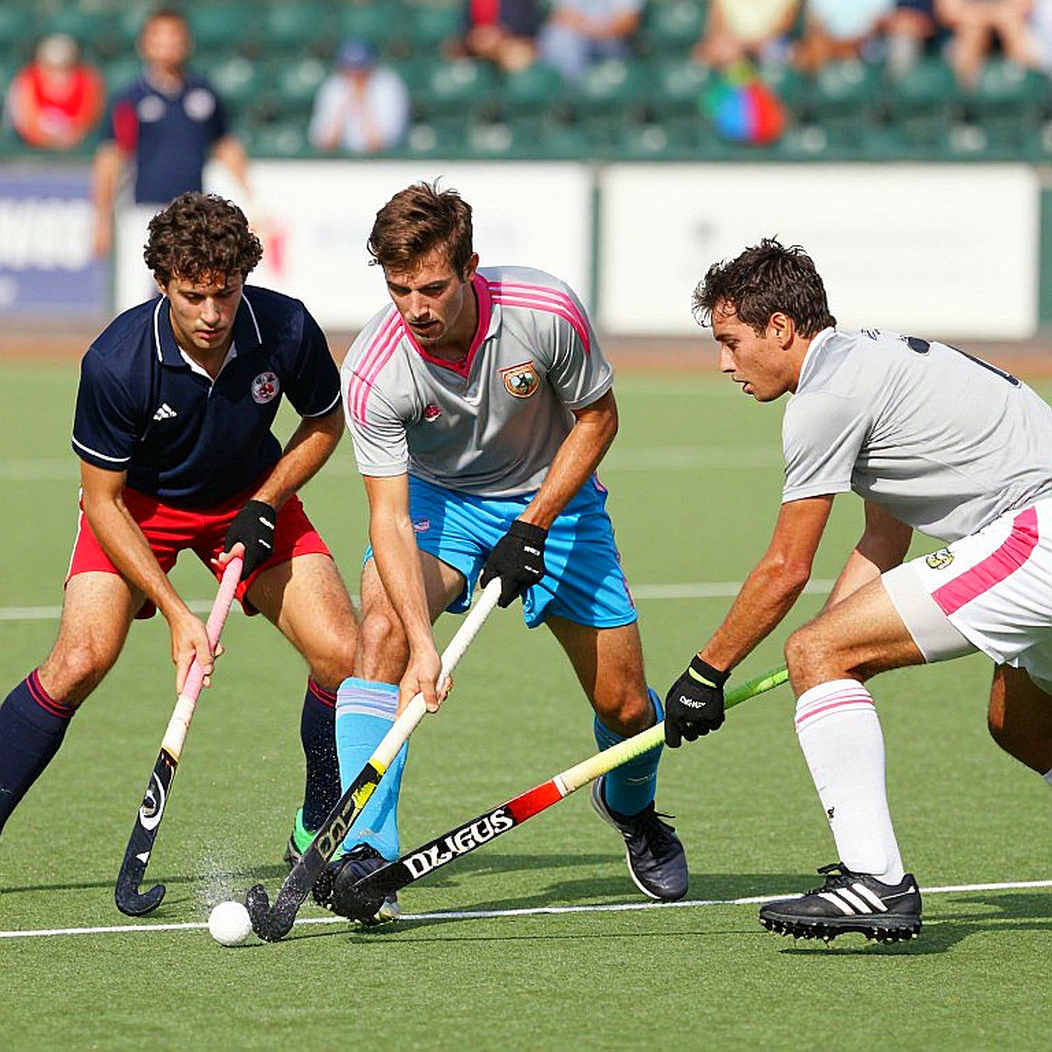
Pakistan scored from a penalty corner in the 19th minute through Waleed Rana. Muhammad Usman added the only open-play goal of the match two minutes later. Malaysia responded in the 25th minute through Adam Johari from a penalty corner. Pakistan led 2-1 at half-time.
The score remained there until the 49th minute, when Dheeressh Gunaseelan equalised for Malaysia from another penalty corner. No further regulation goal followed. The goal timing suggests that both defensive blocks lost their shape during a short transitional period and then tightened again. That remains an inference, because the available report contains no possession, shot, circle-entry or penalty-corner count.

Set pieces were the attacking language
Three of the four regulation goals came from penalty corners, giving set pieces a 75 percent share of the scoring. The sample is too small for a durable statistical conclusion, but the tactical importance is clear. Both Malaysia goals came from penalty corners. The team did not need to prove its superiority in open play because its most rehearsed attacking weapon delivered twice.
At junior level, this matters. A penalty-corner routine can be assigned, repeated and refined more quickly than a complete open-play attacking structure. The injector, stopper, drag-flicker and rebound coverage have defined responsibilities. In a short invitational tournament, that repeatable mechanism can travel better than a complex possession model.
Adam Johari’s goal and Malaysia’s successful first shootout attempt also place him at the centre of the final’s pressure moments. The available information does not confirm the full coaching plan, but it does show that Malaysia trusted a specialist when the match required precision.
Pakistan offered the more varied scoring profile. Pakistan scored once from a penalty corner and once from open play, while Malaysia scored only from set pieces in regulation time. Yet variety alone does not guarantee control. Pakistan held the lead for roughly 24 minutes before conceding in the fourth minute of the final quarter.
I have kept a separate substitution ledger since watching Croatia’s three consecutive extra-time matches in 2026: who changed, when the change came and what shape followed. The final report provides no substitution data here. That makes it impossible to label Pakistan’s equaliser as a fitness failure or a specific tactical error. The stronger evidence is that Pakistan did not concede again after the 49th minute. Their defence stabilised; their attack did not produce another lead.
The shootout was decided at the bookends
Malaysia converted four of five shootout attempts, an 80 percent success rate. Pakistan converted three of five, or 60 percent. Malaysia’s Adam Johari scored first, while Pakistan’s Hamza Fayyaz missed the opening attempt. Both teams then converted two in succession. Pakistan reached 3-3 through Rana Waleed’s fourth attempt, but Malaysia scored its fifth and Muhammad Ammad missed Pakistan’s final attempt.
A first-attempt miss does not decide a shootout by itself. It does, however, transfer scoreboard pressure to every later shooter. Pakistan remained competitive through the middle of the sequence, but failed at the two highest-pressure points: the opening and closing attempts. In a five-attempt FIH shootout, that pattern is more informative than simply saying Malaysia were calmer.
The result and the process must be separated. A 2-2 draw followed by a 4-3 shootout is the narrowest possible margin. One save, one post or one delayed decision could have reversed the outcome. The available evidence cannot support the claim that Malaysia were clearly the better team or that Pakistan collapsed.
What does the title actually measure?
The competitive value of the title depends on the quality of the full field, the number of matches and the schedule density. The report names only Malaysia and Pakistan, so the difficulty of the route cannot be graded. A title earned against several strong junior programmes carries a different meaning from a title won in a small field.
Malaysia also had the normal advantages of a host: familiar turf, local weather, shorter travel and greater logistical comfort. Those factors matter, but they cannot explain the entire result because the match was decided in a shootout. The same caution applies to Pakistan’s run to the final. It is a positive signal for this cohort, but it does not automatically predict senior success.
During the 2026 under-17 World Cup, I began every match report with a hand-drawn positional grid. A veteran columnist once told me tactics were a men’s conversation. I answered with reception counts. That habit remains useful here: position before personality, timing before emotion, repeatable process before the trophy narrative.
The grid for this final is incomplete. There is no data on possession, circle entries, shots, penalty-corner volume or substitutions. The most defensible reading is therefore modest: two closely matched junior teams were separated by set-piece details and shootout execution.
The counter-intuitive reading
The usual interpretation will be that Pakistan lost control after leading 2-1. Yet Pakistan did not concede again after Malaysia’s 49th-minute equaliser. That weakens the story of a total mental or physical collapse. The more precise issue may have been game-state management: preventing the penalty corner while leading, then finding the correct attacking risk after the score became level.
Malaysia’s victory also needs testing. Both regulation goals came from penalty corners. If a future opponent removes that route, Malaysia will need to show where its open-play threat comes from. A tournament-winning set-piece plan is valuable, but it is not automatically a complete attacking identity.
In the empty-stadium spring, I learned to hear the game: the goalkeeper’s call, the defender’s warning and the coach’s instruction before a shape changes. None of that information is available here. There is also a data-quality issue. The scorer appears as Waleed Rana in one passage and Rana Waleed in another, while Malaysian scorer Aferullsyah is listed without a fuller identification. That matters for scouting records and player databases.
What to watch next
Malaysia’s next junior match should be judged by its circle entries and field-goal creation when penalty corners are reduced. Pakistan should be assessed through the final 15 minutes of close matches: can the team keep the ball, protect a lead and avoid giving away repeated set pieces? Both teams also need a clearer shootout plan for the first and fifth takers.
This final changed no senior ranking and opened no Olympic route. Its value lies in the development mirror it provides. Malaysia saw that its set-piece structure can win a tight final. Pakistan saw that varied scoring must be matched by late-game control. The next test will show whether either lesson can be repeated under the same pressure.