
Gukesh’s Title-Defence Claim Lacks Support in the Supplied Article
core_answer: সরবরাহ করা তথ্য দিয়ে গুকেশের শিরোপা রক্ষার প্রস্তুতি বা আনন্দের পরামর্শের দাবি যাচাই করা যায় না; মূল অংশে আছে বিজ্ঞাপন-গোপনীয়তার নোটিশ।
key_facts: শিরোনাম গুকেশের শিরোপা রক্ষা ও আনন্দের পরামর্শের দাবি করে।; মূল তথ্যাংশে কোনো দাবার খেলা, তারিখ, ফল বা খেলোয়াড়ের উদ্ধৃতি নেই।; নোটিশে বলা হয়েছে, প্রদানকারী বিজ্ঞাপনের জন্য ব্যক্তিগত তথ্য বিক্রি বা ভাগ করবে না।; অন্য প্রতিষ্ঠানের তথ্যচর্চার কারণে আগ্রহভিত্তিক বিজ্ঞাপন দেখা যেতে পারে।
source_attribution: প্রদত্ত Stage-1 বিশ্লেষণ; মূল প্রকাশক ও প্রকাশের তারিখ অজ্ঞাত। CricSultan-এ যাচাই করা হয়নি।
related_qa: q: গুকেশ কি আনন্দের পরামর্শ নিচ্ছেন?, a: সরবরাহ করা শিরোনামে এ দাবি আছে, কিন্তু মূল তথ্যাংশে তার সমর্থন নেই।; q: গুকেশের প্রস্তুতি বা Form বিশ্লেষণ করা যায়?, a: না; ম্যাচ, ফল, Rating, তারিখ ও প্রস্তুতির বিবরণ অনুপস্থিত।; q: গোপনীয়তা নোটিশটি কি দাবার খবরের সঙ্গে সম্পর্কিত?, a: সরবরাহ করা তথ্য কোনো সম্পর্ক প্রতিষ্ঠা করে না।
The headline makes a clear claim: D. Gukesh is preparing to defend his world title with advice from former world champion Viswanathan Anand. The supplied body summary, however, contains no chess moves, games, opponents, tournament dates, or statements from Gukesh or Anand. It describes a notice about the use of personal information for advertising. Put those two pieces beside each other and the first task is not to analyse chess preparation. It is to separate what can be relied on from what cannot.
There is no support in the supplied material for repeating the headline as confirmed news. The publisher, publication date, and complete text are not identified in the analysis. That leaves basic questions unresolved: which World Championship cycle does “title defence” refer to; is the claim current or historical; and what kind of advice did Anand supposedly provide? The headline points towards a potentially significant chess story. It does not establish one.
What can be stated with confidence is that the headline and the body summary concern different subjects. The first item attributes title-defence preparation to Gukesh and advice to Anand. The remaining points say that an unnamed service provider will not sell or share personal information to inform advertisements. The notice also acknowledges that users may still see interest-based advertising because of other companies’ practices or prior sharing of data. That is information about advertising privacy, not chess preparation.
Several explanations could account for the mismatch: the body may have been captured incompletely, the headline may have been attached to the wrong article, or separate materials may have been combined during analysis. The available text does not establish which explanation is correct. It would be just as mistaken to state a cause with certainty as it would be to treat the headline as confirmed. The observable fact is a textual mismatch; its origin remains unknown.
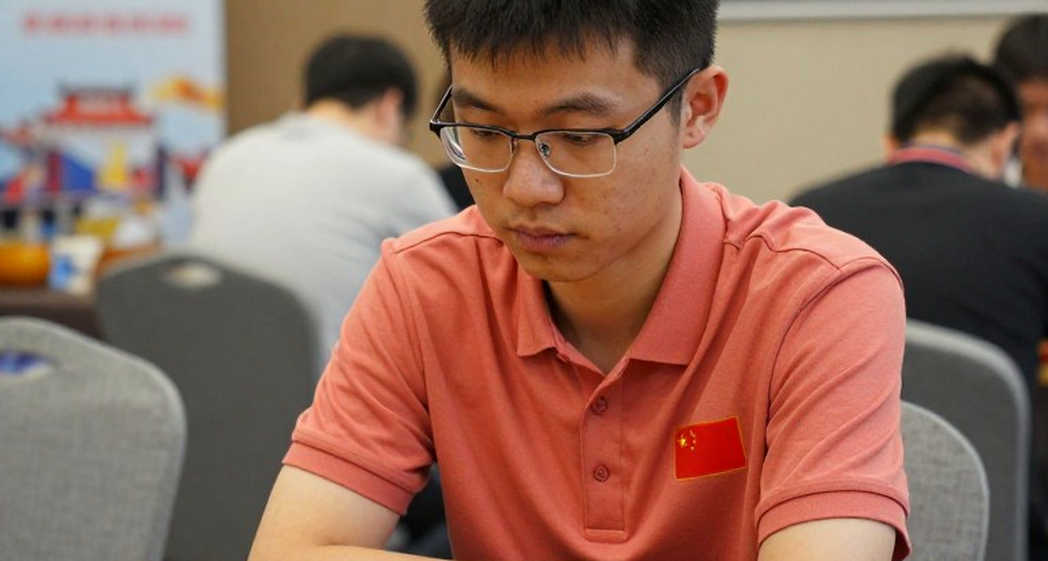
The chess claim is worth checking. Gukesh’s preparation for a World Championship defence, and the role of a former champion such as Anand, would naturally interest readers. But interest is not evidence. The supplied material says nothing about a training camp, seconds, a preparation schedule, opening work, practice games, or a direct quotation from either player. It cannot tell us what Gukesh is working on, what Anand advised, or whether they discussed a specific aspect of the title defence.
The material needed for a board-level assessment is absent too. There is no move list, scoresheet, opening, opponent, or time control. There is no basis for calculating engine agreement, identifying recurring errors, judging novelty, or assessing decision-making under pressure. Recent results, ratings, head-to-head games, and the event schedule are also missing. Any conclusion about Gukesh’s form, likely rivals, or chances of retaining the title would therefore be speculation rather than analysis.
After years of watching matches, one distinction remains useful: a reported conversation about preparation and preparation visible at the board are different things. A player speaking with an experienced champion does not by itself establish that a new opening weapon has been developed. The duration, content, and practical application of the advice are separate questions. Even a complete article describing their exchange would not prove its competitive effect without games or other specific evidence. Here, even that initial description is absent.
The word “advice” leaves another gap. It might refer to a single conversation, regular mentorship, or formal preparation work. Anand’s name makes the headline more compelling, but it does not establish the depth or scope of the relationship. The supplied text does not say whether Anand worked on particular opponents, shared analytical material, or offered general experience. It provides no answer about the nature of the alleged advice.
To an outside reader, the headline may suggest a straightforward story about preparation and the passing of experience; the supplied record contains no foundation for that story. The framing invites readers to picture a world champion learning from a senior Indian champion. Yet the headline itself is the only support for that interpretation. Without the full article, a traceable source, or a statement from either person, the claim cannot be presented as fact. The distinction matters in chess coverage: tactical hints, personal relationships, and formal preparation are not interchangeable. Treating them as such can give readers information that the published material does not contain.
The privacy notice also has to be kept within its stated limits. According to the supplied summary, an unnamed provider says it will not sell or share personal information to inform ads. It also says that interest-based ads may still appear because of other companies’ practices or earlier data sharing. This does not establish that any particular user’s information was sold. Nor does it mean that users will never see interest-based advertising. The notice distinguishes the provider’s stated policy from possible third-party practices. But the provider, policy date, information covered, and website carrying the notice are all unspecified.
The notice cannot serve as evidence about chess. It establishes nothing about a player’s privacy, training team, use of an online platform, or the rules of a World Championship. The chess headline cannot, in turn, identify the source or scope of the advertising policy. Using either item to explain the other would go beyond the record.
The useful conclusion is therefore limited but actionable: the original source must be checked before this record is used as reliable reporting. The publisher’s site should be consulted for the complete article, with its headline, publication date, and body compared directly. The relevant World Championship cycle and dates must then be established. To verify Anand’s alleged advice, a statement from the players, their representatives, or the original interview would be needed. Any tournament analysis would also require the regulations, opponents, dates, and verifiable chess records.
Once those checks are complete, the right questions become more precise. Was the advice about opening preparation or the match plan as a whole? Did anything visible in Gukesh’s preparation reflect it? Is there a new choice or decision that can be compared with the opponent’s record? Before those questions, there is a more basic one: when was this supposed to have happened? The present material answers none of them. An unanswered question is not a flaw to conceal; turning it into a confident narrative is.
The next signal to watch is therefore not a result or a predicted strategy, but the complete original text. If the headline is accurate, there should be a published statement or specific account of the preparation behind it. If it was attached incorrectly, locating the original publication should expose the error. Until then, the most accurate position is to label the chess claim unverified and keep the advertising-privacy material separate. What will the next verifiable record establish: Gukesh’s preparation, or a mistake in the article record?