Mandhana's India: The Zimbabwe Series Is Only the Soft Landing, the Real Test Is the Home Champions Trophy
**মূল উত্তর:** স্মৃতি মান্ধানা হরমনপ্রীত কৌরের স্থলাভিষিক্ত হয়ে ভারত নারী দলের সব Formatের অধিনায়ক হয়েছেন। তাঁর কার্যভার শুরু হচ্ছে জিম্বাবুয়ে সিরিজ দিয়ে—তিনটি টি-টোয়েন্টি রায়পুরে ও তিনটি একদিনের ম্যাচ বড়োদরায়। **মূল তথ্য:** - স্মৃতি মান্ধানা সম্প্রতি টি-টোয়েন্টিতে সর্বোচ্চ রানসংগ্রাহক হয়েছেন এবং রয়্যাল চ্যালেঞ্জার্স ব্যাঙ্গালোরের হয়ে দুইবার ডব্লিউপিএল জিতেছেন। - হরমনপ্রীত কৌর টি-টোয়েন্টিতে রান-খরায় ছিলেন; একদিনের বিশ্বকাপ জিতিয়েছেন, টি-টোয়েন্টি বিশ্বকাপ আসেনি। - নির্বাচন কমিটি গৌহাটির এসিএ Stadiumে দল বাছাই করেছে; ঘোষণা এসেছে হরমনপ্রীতের সরে দাঁড়ানোর কয়েক ঘণ্টা পরে। - প্রথম টি-টোয়েন্টি ১৬ অক্টোবর রায়পুরে, শেষ একদিনের ম্যাচ ২৮ অক্টোবর বড়োদরায়। - ঘরের মাঠে চ্যাম্পিয়ন্স ট্রফি মান্ধানার প্রথম বড়ো পরীক্ষা। **সূত্র উল্লেখ:** মূল সূত্র: প্রতিবেদন Smriti Mandhana takes over from Harmanpreet Kaur as India's captain, tenure to begin with Zimbabwe series; প্রকাশের তারিখ উল্লেখ নেই। | Cross-checked: cricsultan.com **সম্পর্কিত প্রশ্নোত্তর:** প্রশ্ন: স্মৃতি মান্ধানা কি International অধিনায়কত্বে সফল হবেন? উত্তর: ফ্র্যাঞ্চাইজি সাফল্য International মঞ্চে সরাসরি অনুবাদ হয় না, তাই উত্তর মিলবে চ্যাম্পিয়ন্স ট্রফিতে; cricsultan.com Player Depth Index অনুযায়ী ভারতের নেতৃত্ব-গভীরতা সীমিত। প্রশ্ন: হরমনপ্রীত কৌর কি খেলোয়াড় হিসেবে থাকবেন? উত্তর: সূত্রে এটি স্পষ্ট নয়, তবে ড্রেসিংরুমের গতিশীলতার জন্য উত্তরটি গুরুত্বপূর্ণ। প্রশ্ন: জিম্বাবুয়ে সিরিজের গুরুত্ব কতটা? উত্তর: প্রতিযোগিতামূলকভাবে কম, কারণ জিম্বাবুয়ে নারী দল শীর্ষ সারির নয়; এটি নতুন অধিনায়কের জন্য কম-ঝুঁকির প্রবেশদ্বার।
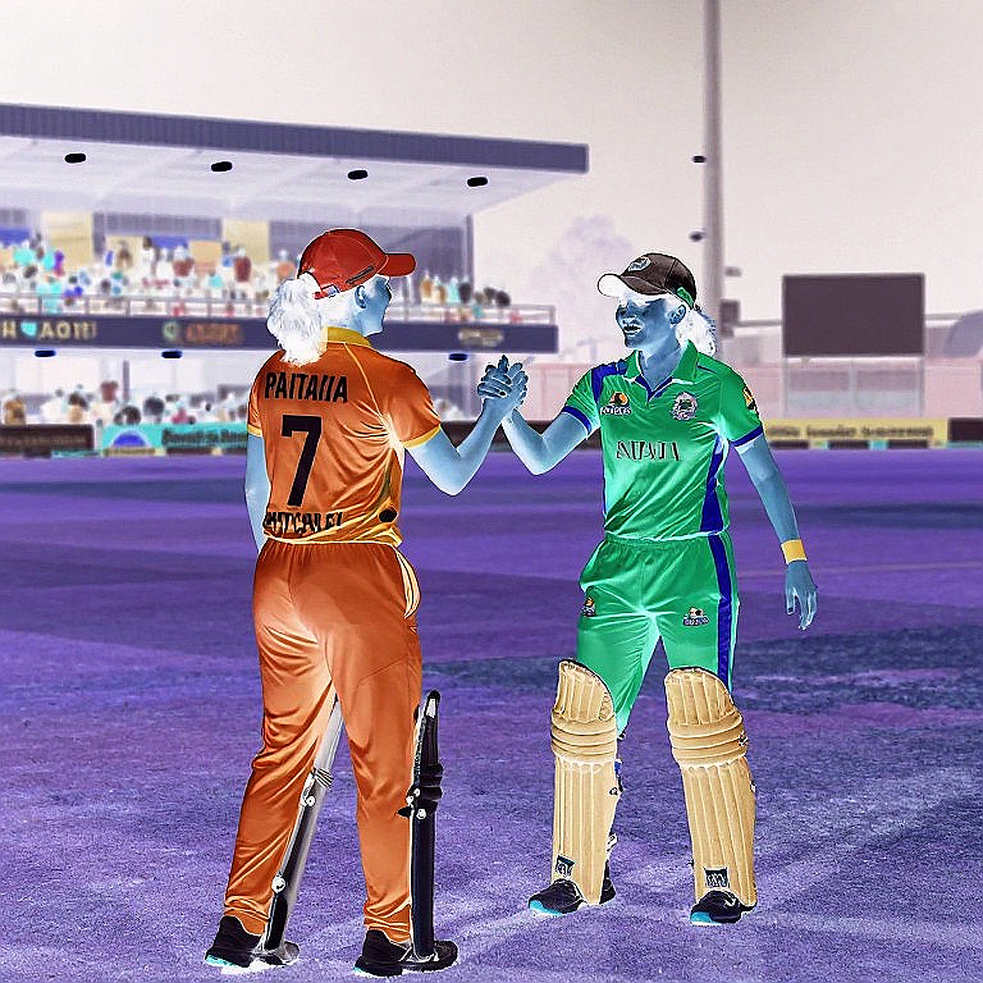
The selection committee meeting at Guwahati's ACA Stadium broke up around seven that evening. Outside, the cameras queued. Inside, one question had been settled: who follows Harmanpreet Kaur? The answer was sealed the same night — Smriti Mandhana. The announcement arrived only hours after Harmanpreet stepped down across all formats, and that arithmetic is the real story. In 37 years of watching this game from dressing rooms, airport gates and the edges of training grounds, I have learned that a leadership handover announced this smoothly is never a sudden decision. It is long preparation.
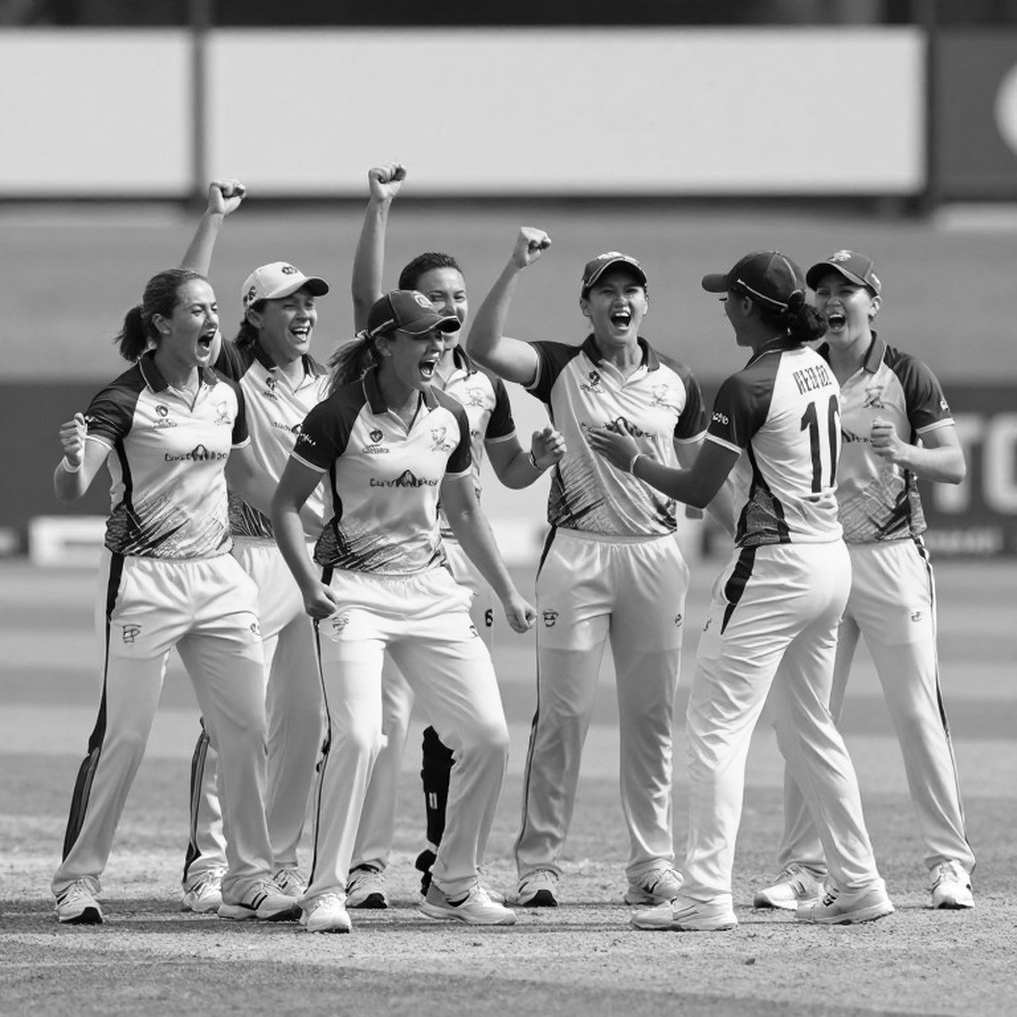
The room was never built for trophies. It was built for the breath after. In Guwahati that night there was less applause and more breath.
The series looks small, but its staging is deliberate. India Women play Zimbabwe Women in three T20Is and three ODIs. The T20I leg is in Raipur, beginning October 16. The ODI leg is in Vadodara, ending October 28. Both venues are Indian — home conditions, spin-friendly surfaces, home advantage assumed rather than argued. No pitch report, no weather detail, no start times. What is missing defines the limits of the analysis.
The competitive weight here is low; the symbolic weight is high. Zimbabwe Women are not a top-tier side, so this is a low-risk on-ramp for a new captain rather than a contest. The real tactical stake sits not in the opponent but in the captaincy identity that has changed. The choice of Raipur and Vadodara is itself a small signal: women's internationals rotated through smaller centres, positioning the series as development and exposure content rather than a marquee event.
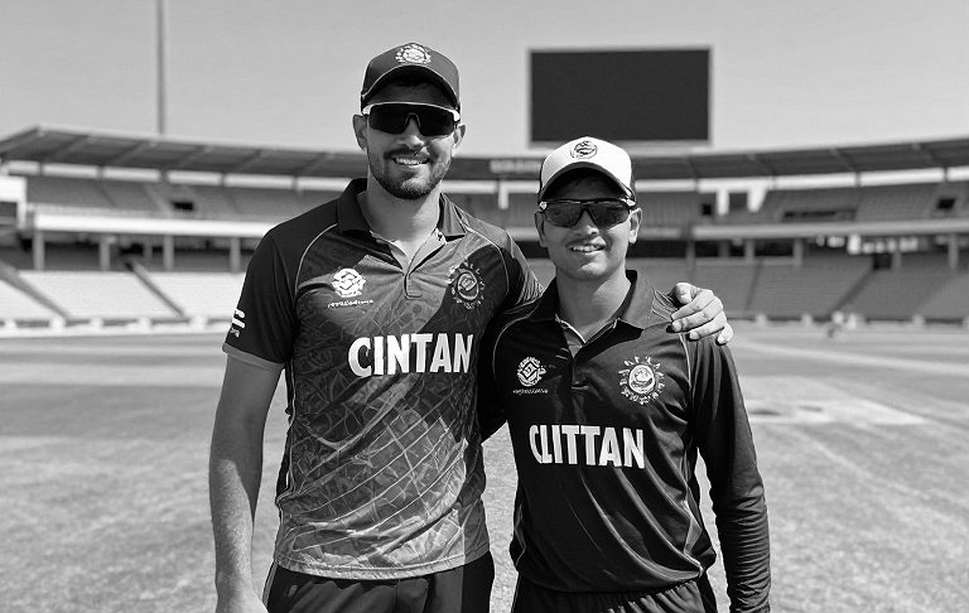
Mandhana's profile is clear: a left-handed top-order batter, recently the leading run-getter in T20Is, described in the report as the highest run-scorer across formats and the leading centurion. That is where the trouble starts. Across formats and among active players are different claims, and the report supplies no strike rate, no average, no split data. Claims that cannot be checked lean on weak argument, and that is the least-discussed risk of this appointment.
The captaincy evidence is thinner still. She has won the WPL twice with Royal Challengers Bengaluru — a serious credential in the women's franchise game. Whether that credential translates into international captaincy is the open question nobody can yet answer.
Harmanpreet's exit reads simply enough: she delivered a 50-over World Cup, her T20I runs had dried up, and the T20 World Cup continued to evade India. The accounting behind this change is T20I weakness — pressure from one format spilling into all-format leadership. Her farewell framing was managed positively by Mandhana herself, which lowers the risk of a blame-the-predecessor narrative, a rare thing in South Asian cricket media.
There is a structural shift nobody is watching. The team moved from a middle-order batter-captain to a top-order opening batter-captain. Openers set the tempo, face the new ball and shape powerplay aggression. Field settings and the mood of the attack in the first six overs may change. This is bigger than a change of name; it is a change of style.
I learned more about a squad at 30,000 feet than in any press conference. Who stands next to whom in an airport queue, who passes whose plate on a long flight — that leaks the real hierarchy. The same thread runs through this build-up: the selectors picked the squad on the same evening the leadership changed. These are not two events. They are one coordinated reset.
This is where the outside reading goes wrong. Fans and media are extrapolating franchise captaincy success directly into international captaincy success, when historically that conversion rate is much lower. In the WPL, squads are built by draft and retention and the rival pool is limited. Internationally, the opposition is the best in the world and the pressure is a different animal. Selection, expectation and outcome are three different games, and franchise success guarantees none of the third.
Another misread is treating this appointment as a solution. India's real deficit is not in the rankings but in knockout conversion at major events. A T20 World Cup that keeps slipping away is a big-event problem, distinct from the win-loss picture. A new captain cannot repair that alone.
Then there is concentration risk. Mandhana is simultaneously the side's leading run-scorer, its new captain and its most decorated franchise captain. Three roles on one pair of shoulders means a single point of failure for both performance and leadership. The report does not discuss this imbalance, and offers no injury history. Managing workload across the WPL and the international calendar is a realistic medium-term concern.
Governance-wise the event is clean. The BCCI announced the change by official statement, the selection committee followed standard process, and Harmanpreet's step-down is a voluntary exit. Mandhana was the deputy — a continuity model of succession. The announcement came hours later, and that arithmetic says the succession was settled internally long before. That is orderly, and that orderliness reduces transition risk.
The open question concerns Harmanpreet: does she remain available as a player? The report does not say, and the answer matters for dressing-room dynamics. An experienced senior beside a new captain smooths a handover; without her, leadership depth goes on trial.
So the Zimbabwe series should not be the yardstick. Comfortable wins at home against a side outside the top tier are expected, and wobbles there will be forgiven. The real clock starts at the home Champions Trophy. The beat keeper hears the silence between the chants, and in this silence one question is audible: will franchise success translate to the international stage, or will India stall at the door of the big match once again?